
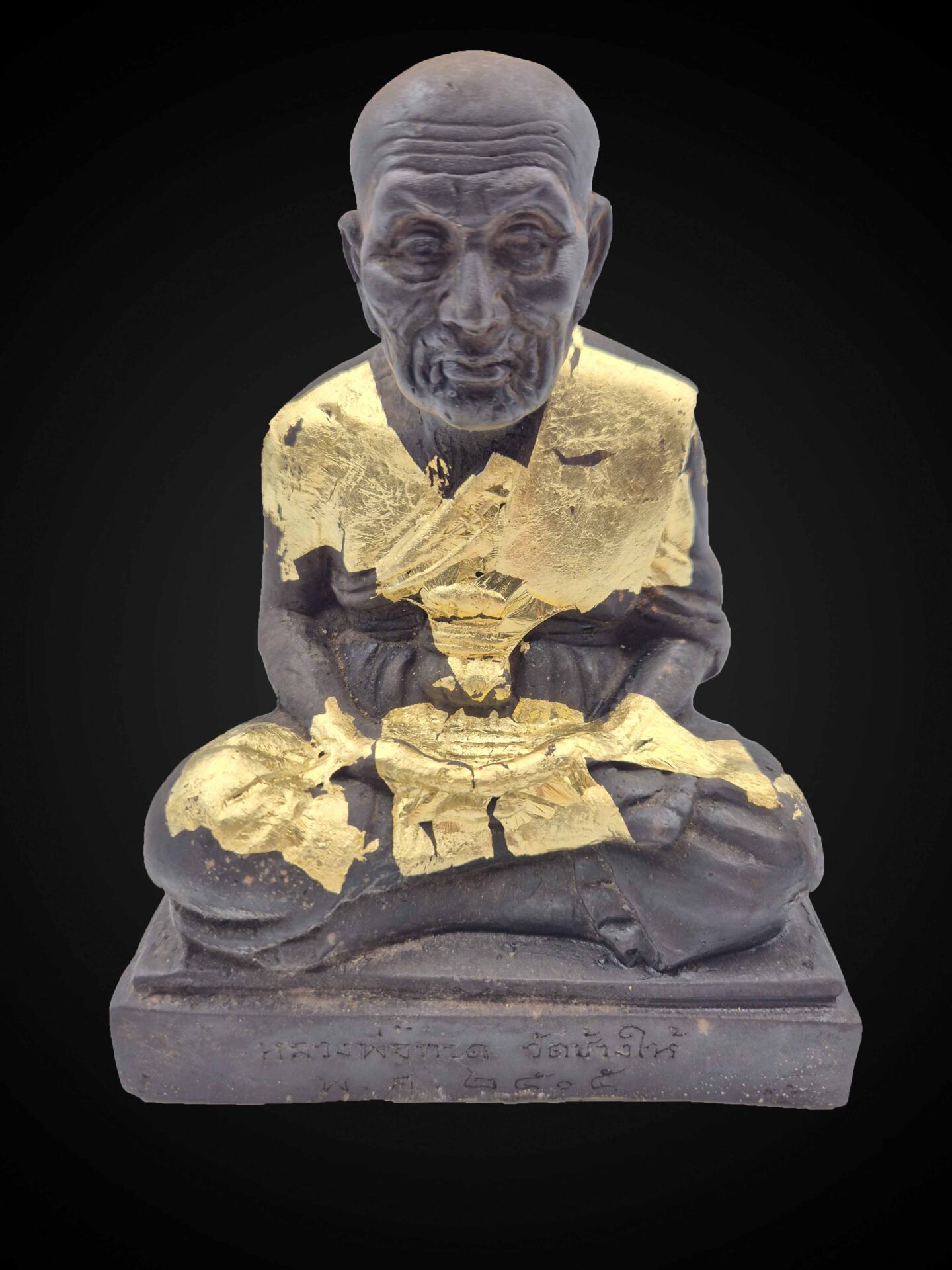
Thai Buddhist art encompasses a wide variety of figures, including Buddhas, arahants, deities, spirits, and revered monks. While Buddha statues are among the most recognisable forms of Buddhist sculpture, monk statues also occupy an important place within Thai religious and cultural traditions.
Throughout Thailand, statues of respected monks can be found in temples, meditation centres, homes, and private collections. These figures commemorate influential teachers whose contributions to Buddhism, education, community development, and spiritual practice have left a lasting impact on Thai society.
This guide explains the role of Thai monk statues, how they differ from Buddha statues, and introduces several famous monks commonly represented in Thai devotional art and sculpture.
What Are Thai Monk Statues?
Thai monk statues are sculptural representations of respected Buddhist monks who are remembered for their teachings, scholarship, meditation practice, charitable works, or influence within Thai Buddhism.
Unlike Buddha statues, which represent Siddhartha Gautama and key moments from his life and enlightenment, monk statues depict historical individuals who lived after the Buddha and played important roles in preserving and transmitting Buddhist teachings.
These statues are commonly produced in bronze, brass, wood, resin, and other materials, ranging from small altar figures to large temple monuments.
How Are Monk Statues Different from Buddha Statues?
Understanding the distinction between Buddha statues and monk statues is important for collectors and those new to Thai Buddhist art.
Buddha Statues
Buddha statues represent Siddhartha Gautama, the historical Buddha who attained enlightenment and established the Buddhist path.
They are often identified by specific postures and hand gestures, including:
- Earth-Touching Buddha
- Meditation Buddha
- Standing Buddha
- Walking Buddha
- Reclining Buddha
Different forms symbolise various events and teachings associated with the Buddha’s life.
Monk Statues
Monk statues represent respected Buddhist teachers who lived in different periods of Thai history.
They are usually depicted wearing monastic robes and are often modelled after historical photographs, paintings, or traditional artistic interpretations.
Rather than representing enlightenment itself, monk statues commemorate individuals who contributed to Buddhist education, practice, and community life.
Why Are Monk Statues Popular in Thailand?
Thailand has a long tradition of honouring respected monks whose lives have inspired generations of Buddhists.
Many monasteries and temples maintain statues of influential teachers to preserve their memory and historical legacy. Over time, these images have become an important part of Thai Buddhist art and culture.
Today, monk statues are collected for a variety of reasons, including:
- Interest in Thai Buddhist history
- Appreciation of Thai religious art
- Cultural and educational purposes
- Decorative display
- Collecting specific monastic lineages or traditions
Famous Thai Monk Statues
Luang Phor Thuad
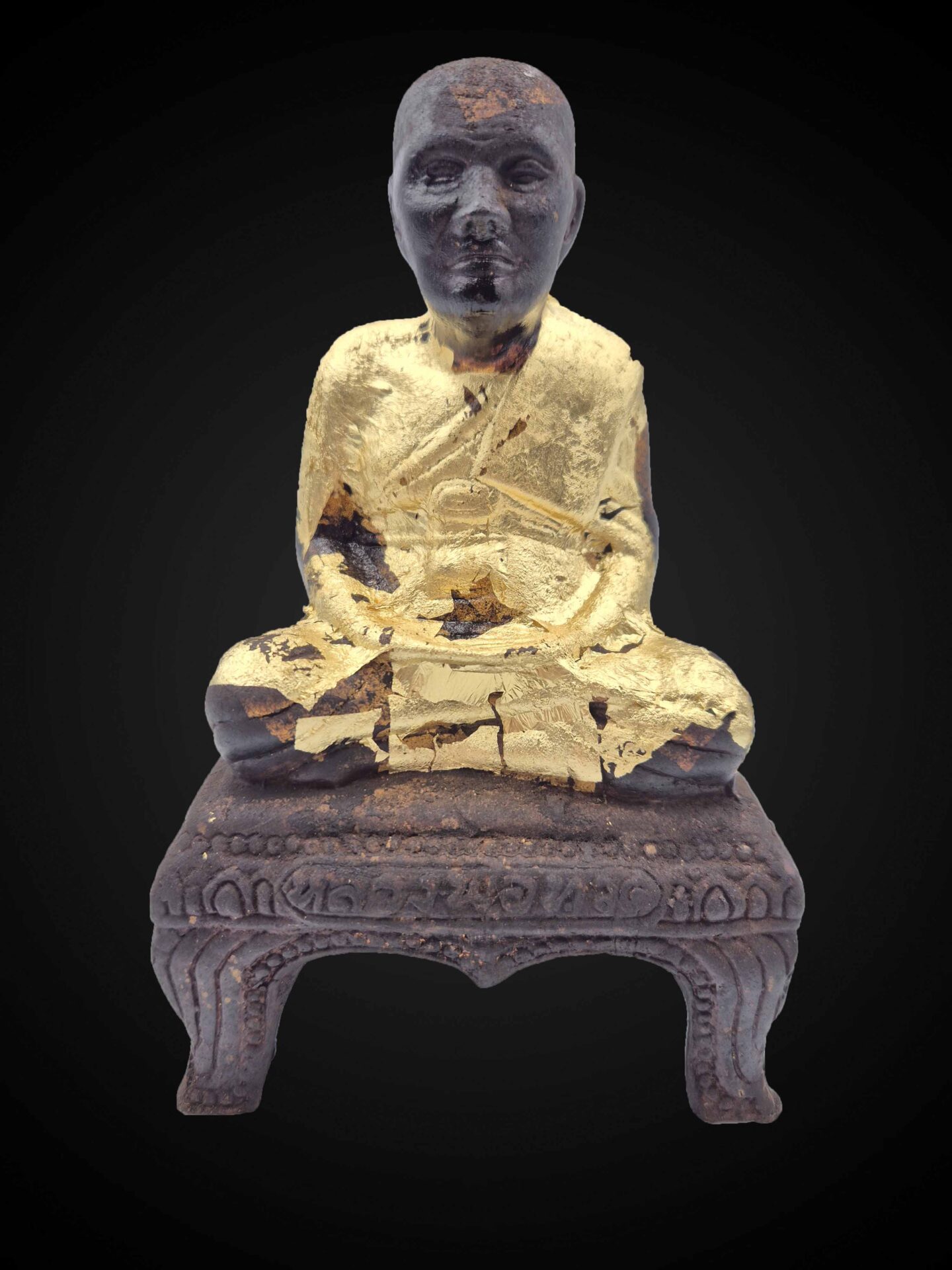
Historical accounts place him during the Ayutthaya period, and his image has become one of the most reproduced figures in Thai devotional art. Statues depicting Luang Phor Thuad commonly show him seated in meditation robes with a calm and composed expression.
Today, Luang Phor Thuad remains one of the most collected monk figures in both statue and amulet form.
Ajarn Toh (Somdej Toh)
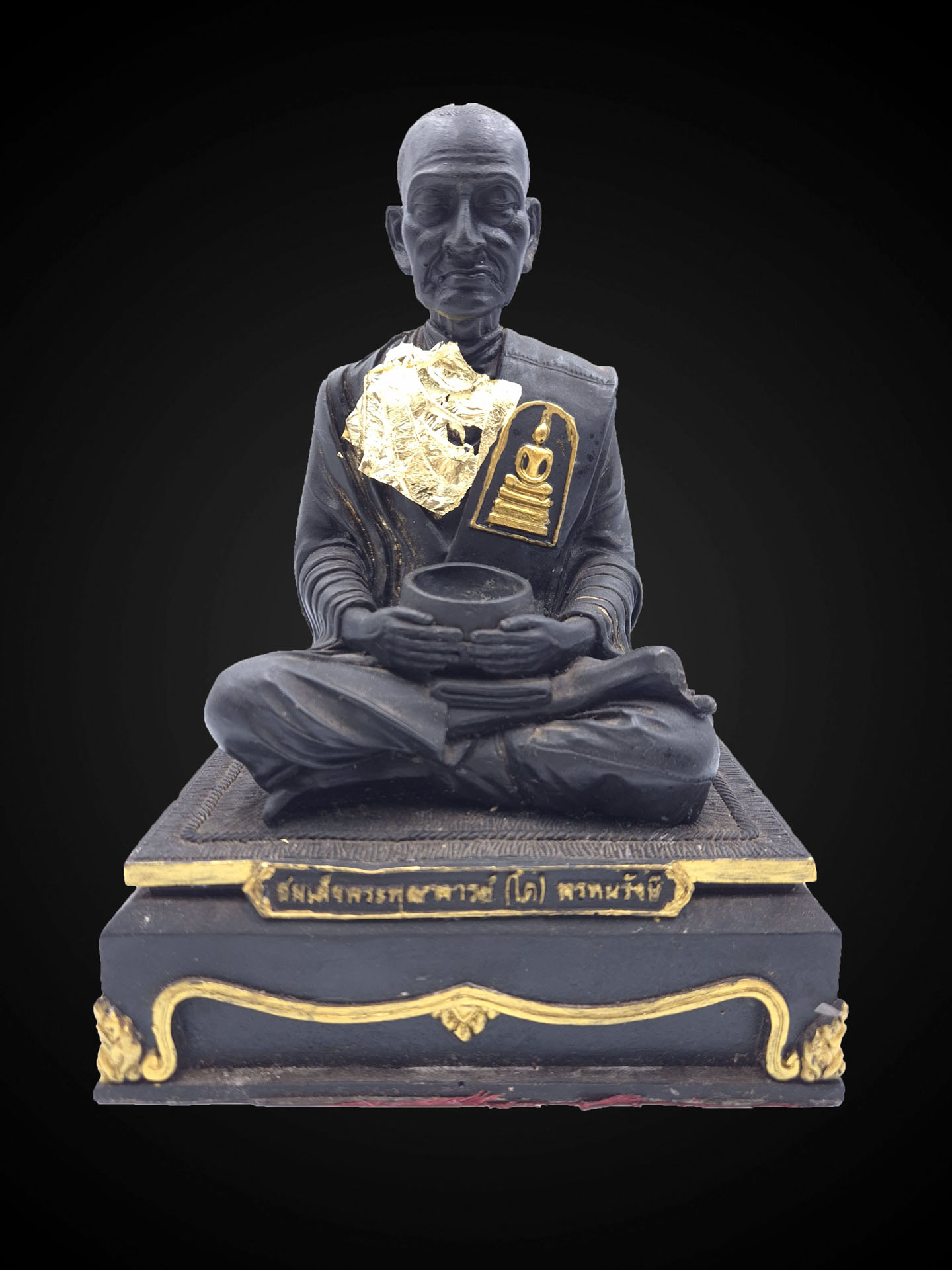
Living during the nineteenth century, he became renowned for his teachings, scriptural knowledge, and contributions to Thai Buddhism. His name is closely associated with the famous Somdej amulet tradition.
Statues of Ajarn Toh typically portray him seated in meditation robes and are popular among collectors interested in Thai Buddhist history and monastic scholarship.
Luang Phor Kai
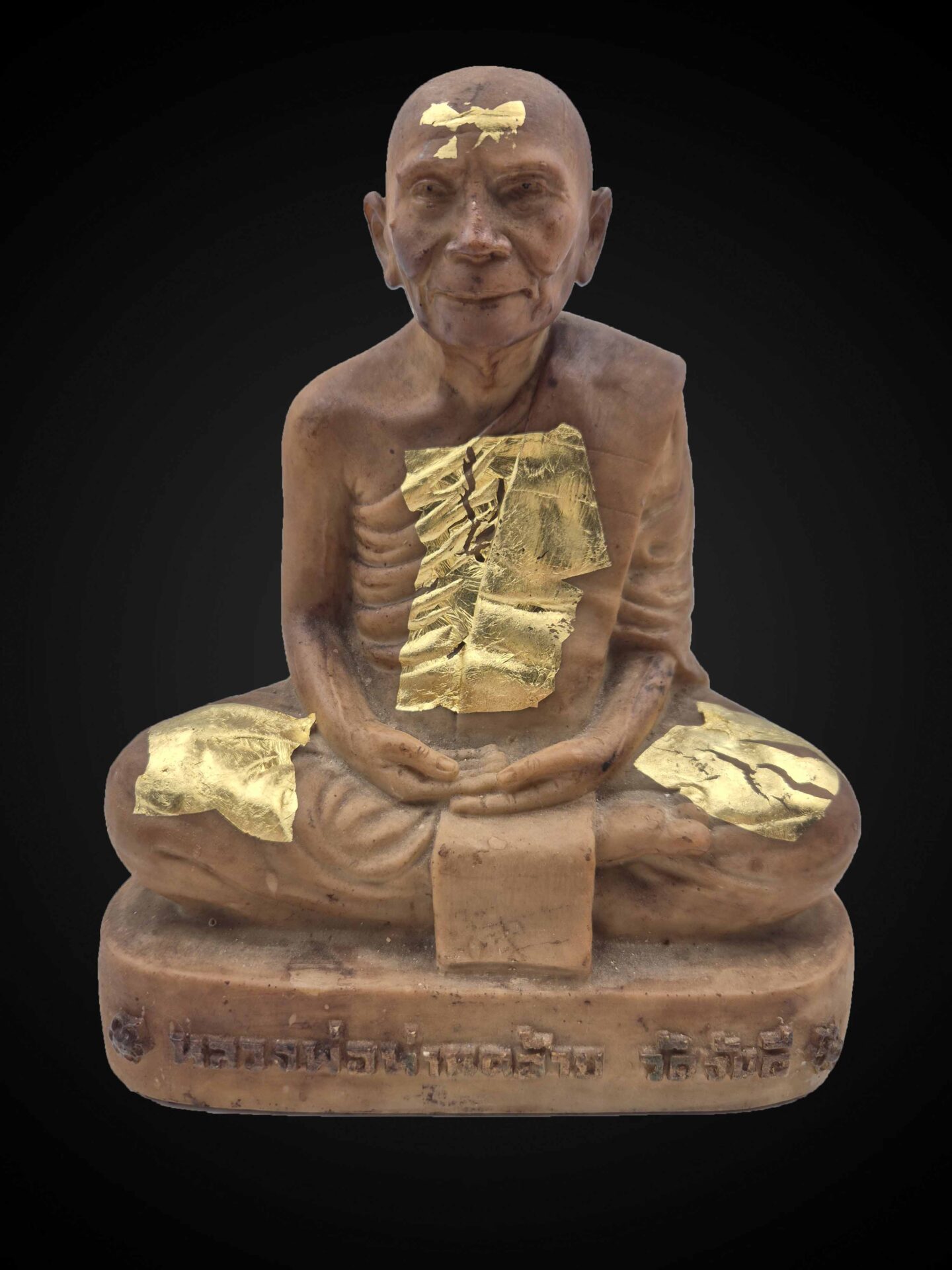
His association with Wat Chedi and Southern Thai Buddhist culture has contributed to the popularity of his statues and devotional imagery. Sculptures depicting Luang Phor Kai often capture his distinctive facial features and traditional monastic appearance.
Today, Luang Phor Kai statues are commonly found in collections focused on contemporary Thai monastic figures.
Kruba Krissana
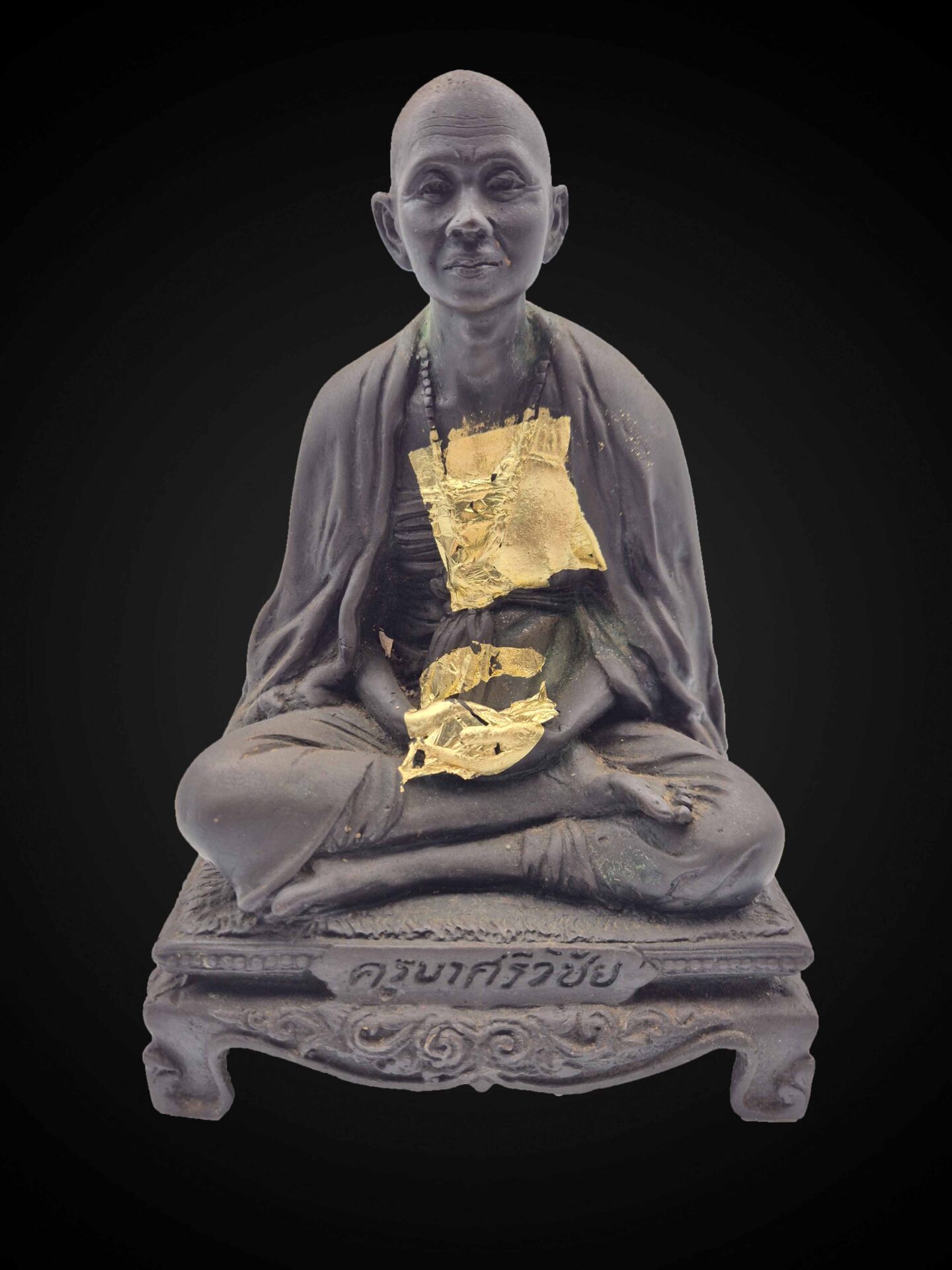
His image is easily recognised through his characteristic appearance and is frequently represented in statues, portraits, and devotional art. As one of the more modern figures in Thai Buddhism, Kruba Krissana has attracted followers from Thailand and abroad.
Statues depicting Kruba Krissana are especially popular among collectors interested in contemporary Thai Buddhist culture.
Common Features of Thai Monk Statues
Although each monk is represented differently, many Thai monk statues share several common characteristics.
Monastic Robes
The robes reflect the monk’s status as a member of the Buddhist monastic community and are often rendered with detailed folds and drapery.
Seated Postures
Many monk statues depict the subject seated in meditation or in a composed teaching posture.
Realistic Facial Features
Unlike Buddha statues, which follow established artistic conventions, monk statues often attempt to preserve the recognisable appearance of the historical individual.
Traditional Bases
Many statues incorporate decorative bases influenced by Thai artistic traditions and regional styles.
Collecting Thai Monk Statues
Thai monk statues appeal to collectors for both artistic and historical reasons.
Collectors often consider factors such as:
- Historical significance
- Artistic quality
- Material and craftsmanship
- Regional tradition
- Display suitability
- Subject matter
Bronze remains one of the most popular materials due to its durability, weight, and ability to capture fine sculptural detail.
Choosing a Thai Monk Statue
When selecting a Thai monk statue, consider the following factors.
Historical Interest
Some collectors focus on influential figures such as Luang Phor Thuad or Ajarn Toh, while others prefer contemporary monks such as Kruba Krissana.
Artistic Style
Different workshops and regions may produce statues with varying artistic interpretations and levels of detail.
Material
Bronze statues remain among the most sought-after forms due to their traditional appearance and long-term durability.
Size and Placement
Consider where the statue will be displayed, whether on a shelf, cabinet, altar, or dedicated display area.
Thai Monk Statues and Cultural Heritage
Thai monk statues serve as visual reminders of the teachers who helped shape Thailand’s Buddhist traditions. Beyond their artistic value, they preserve important aspects of religious history and cultural identity.
For collectors, students of Buddhism, and enthusiasts of Thai art, monk statues provide a fascinating connection to the individuals whose teachings and contributions continue to influence Thai society today.
Explore Thai Monk Statues
Whether you are interested in Thai Buddhist history, traditional sculpture, or collecting bronze statues, Thai monk statues offer a fascinating insight into Thailand’s monastic traditions. Each figure represents a different chapter of Thai Buddhism and reflects the enduring influence of respected teachers across generations.
Browse our Thai Monk Statue collection to explore handcrafted bronze statues inspired by Luang Phor Thuad, Ajarn Toh, Luang Phor Kai, Kruba Krissana, and other respected Thai monastic figures.
Read Next
Interested in learning more about Thai Buddhist art and statues?