
Introduction
Thailand has a rich artistic and religious heritage spanning more than a thousand years. Throughout this long history, different kingdoms, regions, and cultures developed their own distinctive styles of Buddhist art. These influences can still be seen today in the many Buddha statues found throughout Thailand and Southeast Asia.
While all Buddha statues represent the teachings and enlightenment of the Buddha, their appearance can vary significantly depending on the artistic tradition from which they originated. Differences in facial features, body proportions, posture, robes, and decorative elements often reflect the historical period and cultural influences of a particular region.
Understanding these styles can help collectors, practitioners, and enthusiasts better appreciate the history and symbolism behind Thai Buddha statues.
Sukhothai Style
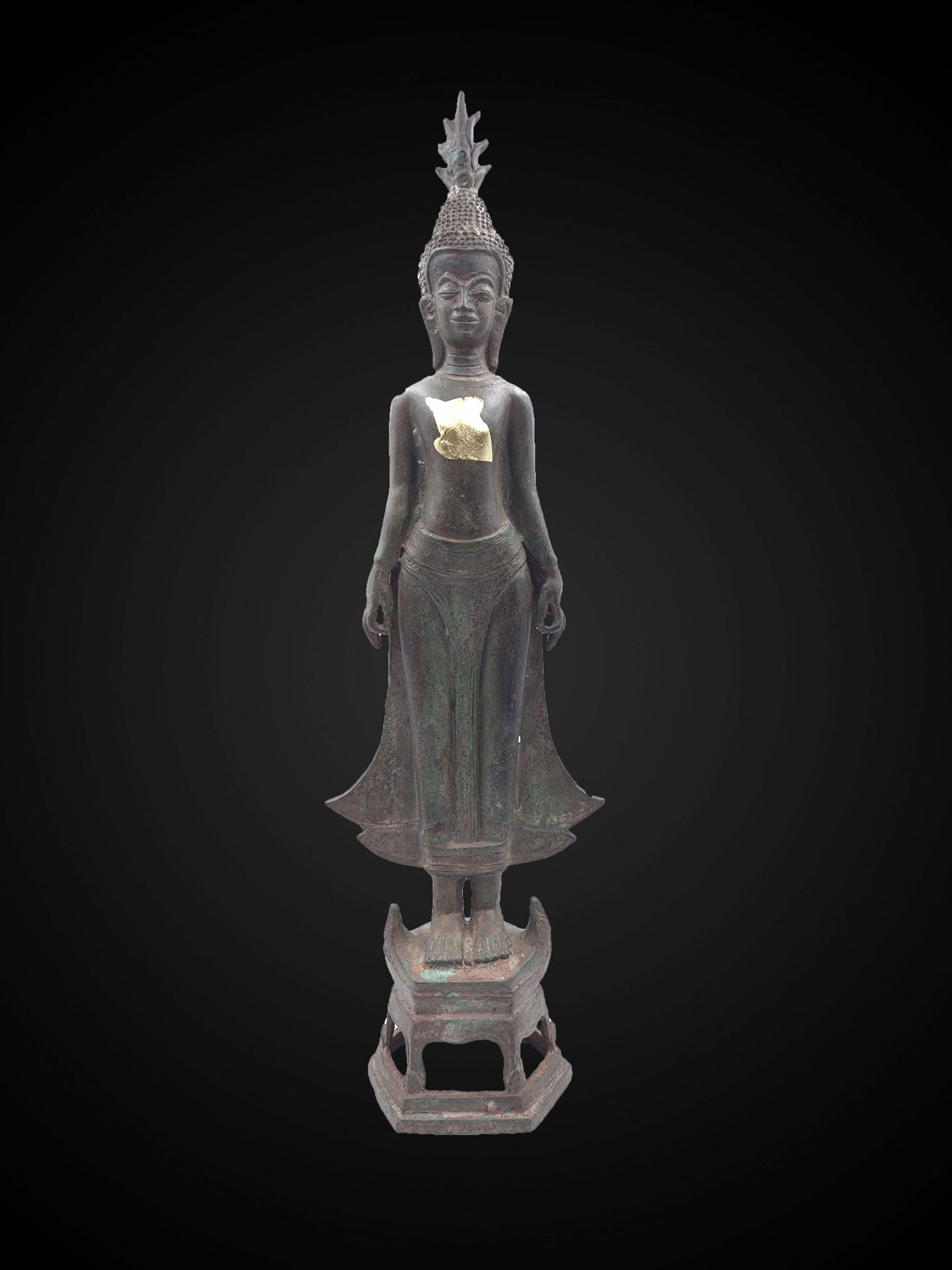
The Sukhothai Kingdom (1238–1438 CE) is often regarded as the golden age of Thai Buddhist art. Many scholars consider Sukhothai Buddha images to be among the most elegant and spiritually expressive ever created.
Characteristics
- Graceful and slender proportions
- Gentle oval-shaped face
- Curved eyebrows resembling a bow
- Flame-like finial above the ushnisha
- Smooth flowing robe lines
- Serene and compassionate expression
Common Forms
- Walking Buddha
- Meditation Buddha
- Earth-Touching Buddha
Symbolism
Sukhothai Buddha images often emphasize spiritual grace, compassion, inner peace, and enlightenment.
Ayutthaya Style
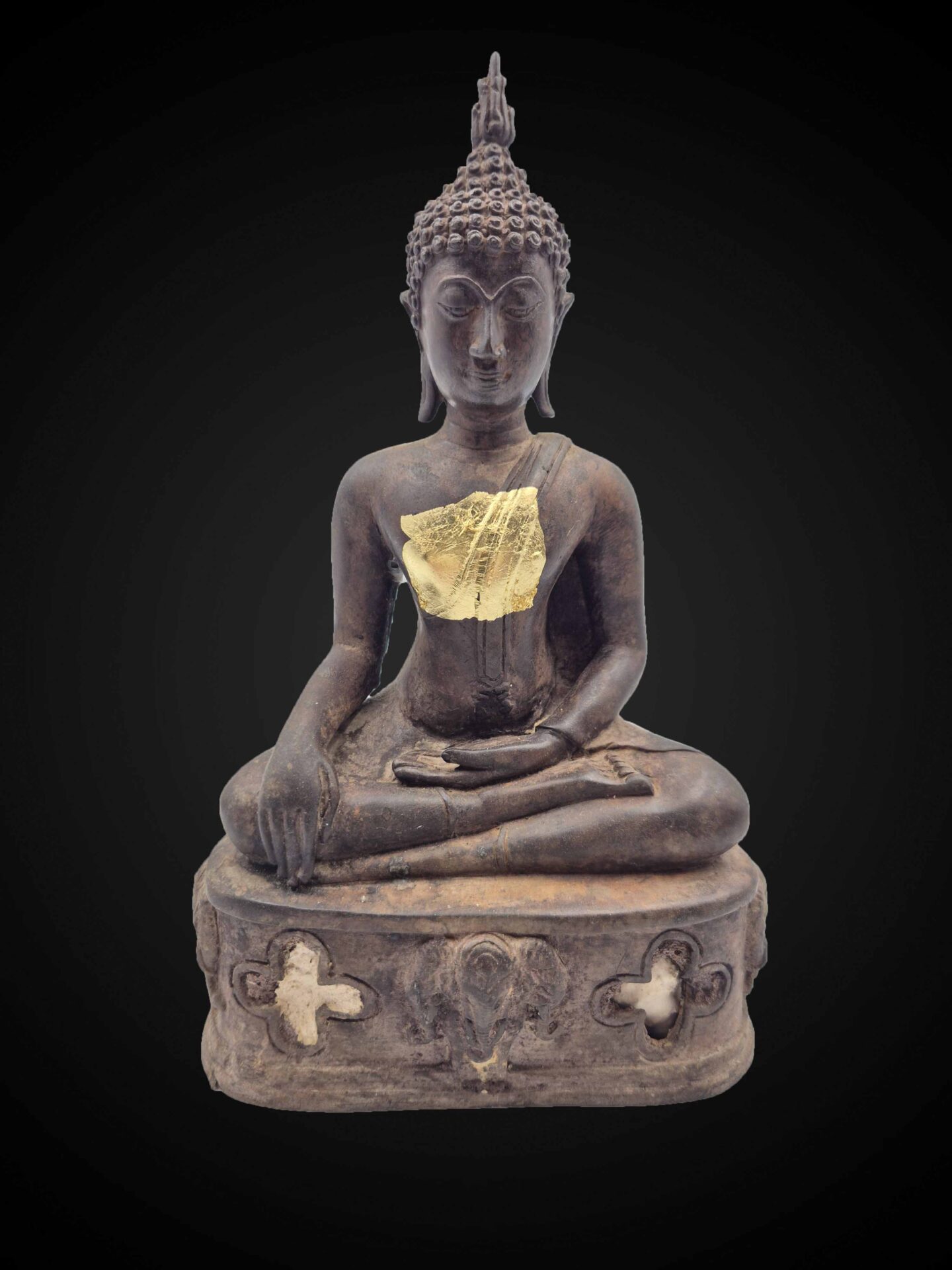
The Ayutthaya Kingdom (1351–1767 CE) succeeded Sukhothai and became one of Southeast Asia’s most influential kingdoms. Buddha statues from this period often appear more majestic and powerful compared to the softer elegance of Sukhothai art.
Characteristics
- Broader facial features
- Stronger body proportions
- Larger ushnisha
- More elaborate decorative details
- Regal and dignified appearance
Common Forms
- Earth-Touching Buddha
- Meditation Buddha
- Crowned Buddha
Symbolism
Ayutthaya Buddha statues often project authority, stability, spiritual strength, and royal grandeur.
Rattanakosin Style
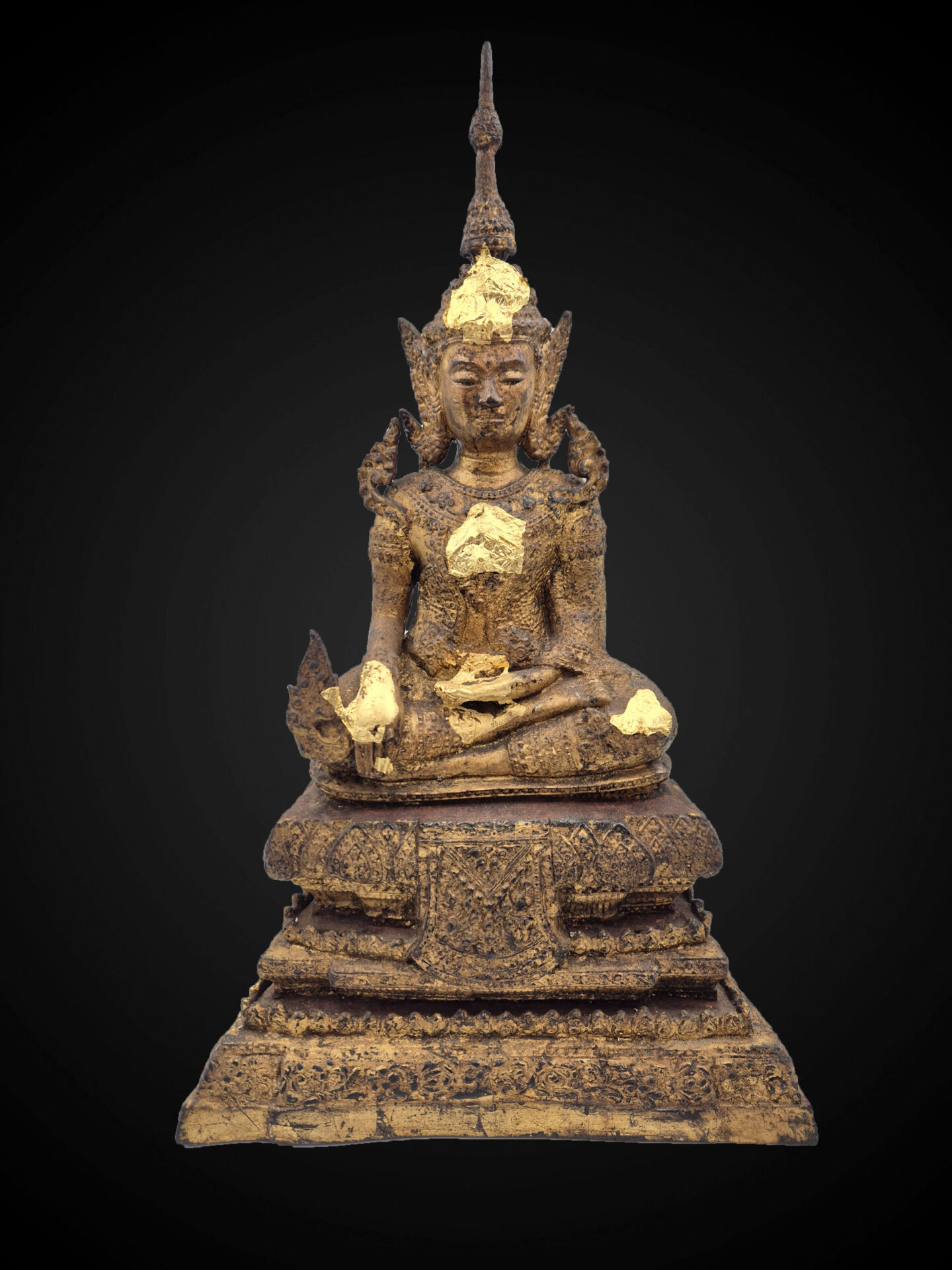
The Rattanakosin period began in 1782 with the founding of Bangkok and continues into the modern era. Many contemporary Thai Buddha statues are influenced by Rattanakosin artistic traditions.
Characteristics
- Refined and symmetrical proportions
- Detailed craftsmanship
- Highly polished appearance
- Influences from both Ayutthaya and Sukhothai styles
- Decorative ceremonial elements
Common Forms
- Crowned Buddha
- Meditation Buddha
- Temple Buddha images
Symbolism
Rattanakosin statues often combine refinement, beauty, devotion, and traditional Thai craftsmanship.
Lanna Style
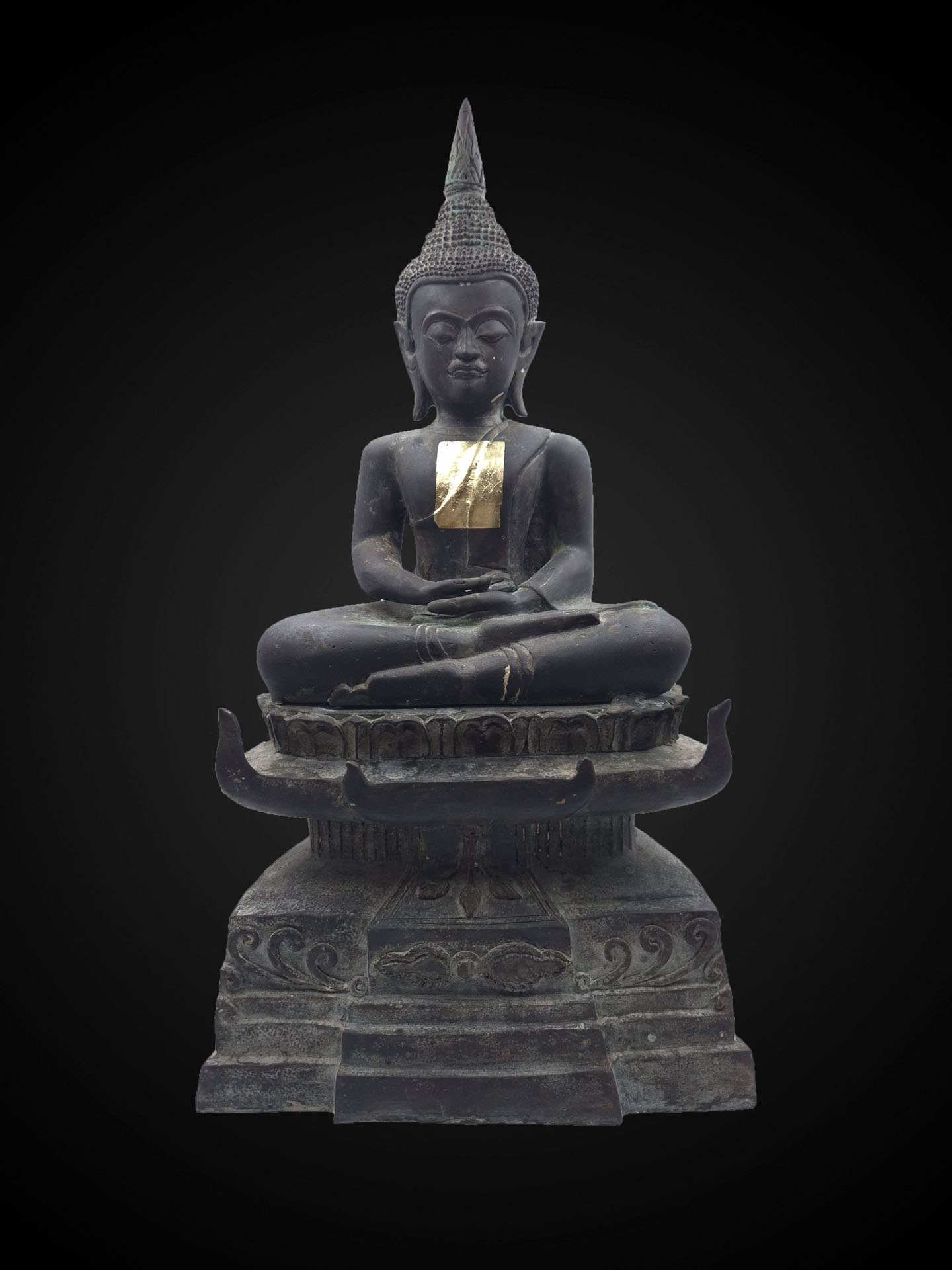
Lanna culture flourished in Northern Thailand, particularly around Chiang Mai and Chiang Rai. Lanna Buddha statues possess a distinct regional identity that differs noticeably from central Thai traditions.
Characteristics
- Rounded face
- Fuller body proportions
- Broad shoulders
- Thick hair curls
- Calm and gentle expression
Common Forms
- Meditation Buddha
- Seated Buddha
- Subduing Mara Buddha
Symbolism
Lanna Buddha statues are commonly associated with tranquility, simplicity, mindfulness, and meditation.
Khmer Style
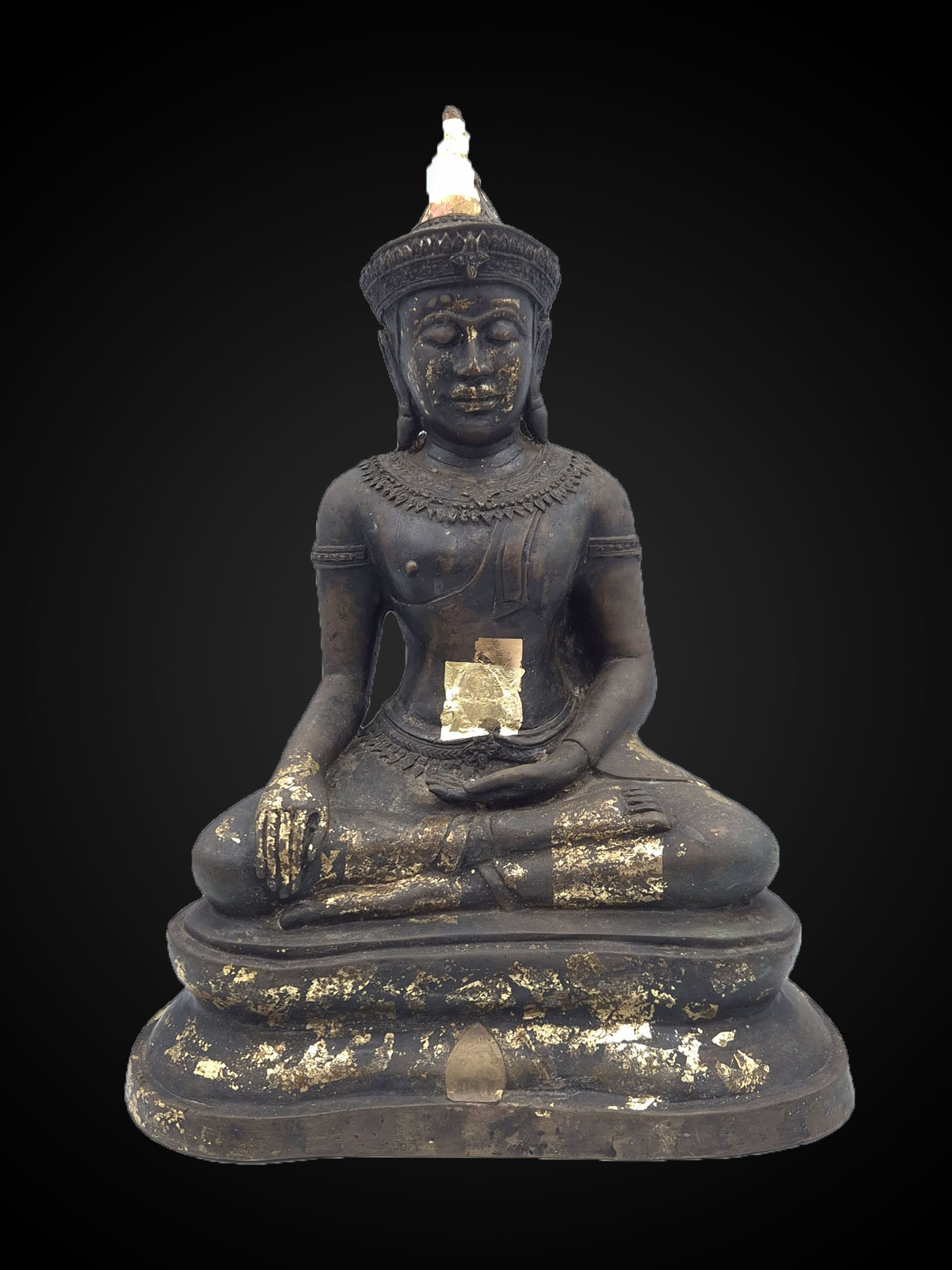

Khmer artistic influence spread throughout much of mainland Southeast Asia and continues to influence Thai Buddhist art today. Many early Thai Buddha images display strong Khmer characteristics.
Characteristics
- Strong facial structure
- Defined jawline
- Prominent nose
- Formal posture
- Architectural styling influences
Common Forms
- Seated Buddha
- Standing Buddha
- Temple sculptures
Symbolism
Khmer-style Buddha images often convey dignity, stability, spiritual authority, and strength.
Burmese Style
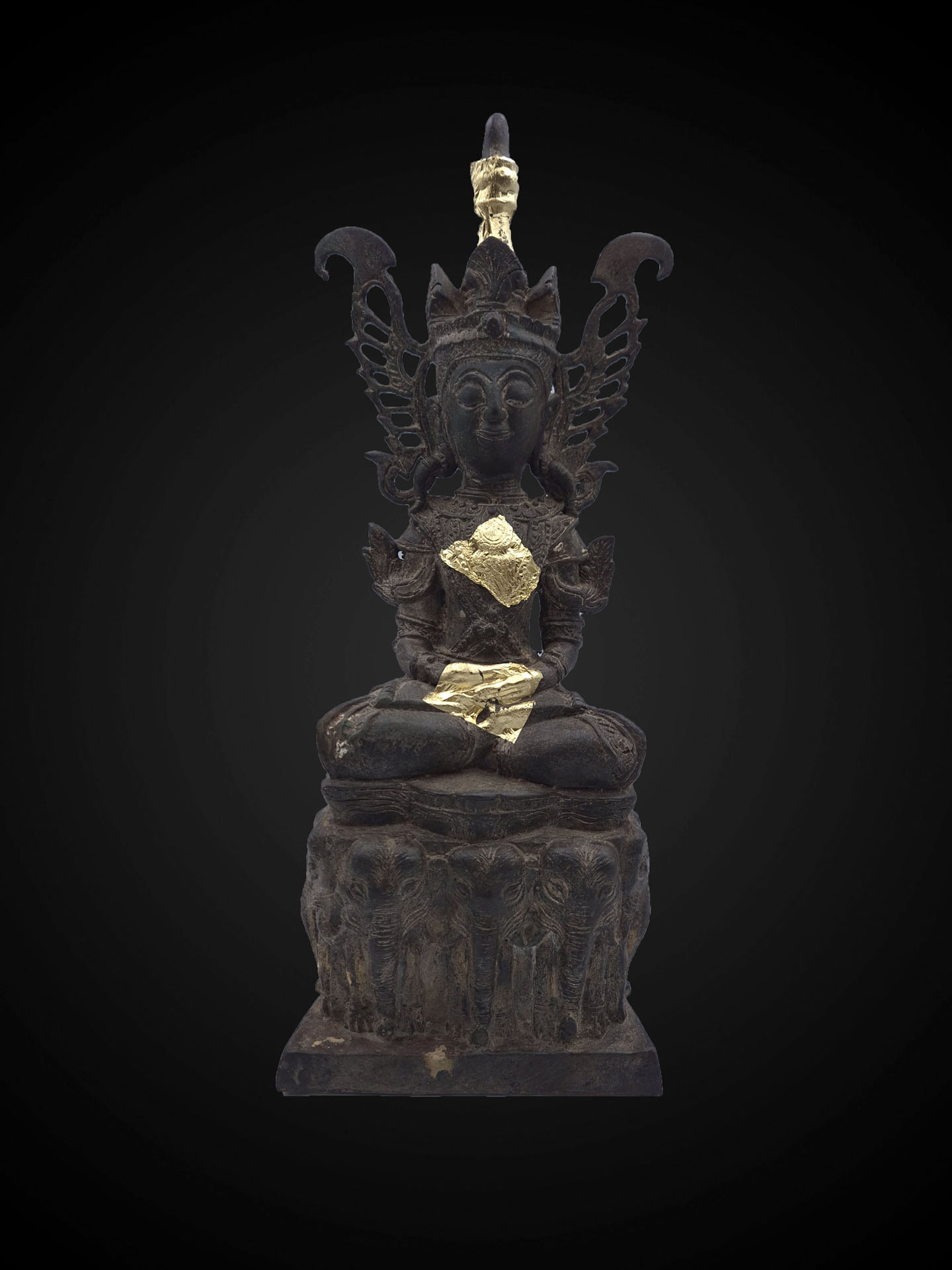
Burmese Buddhist art developed along its own artistic path while maintaining close religious and cultural connections with Thailand.
Characteristics
- Rounded facial features
- Decorative robe details
- Ornate bases and backdrops
- Distinctive ornamentation
Symbolism
Burmese Buddha statues frequently emphasize devotion, compassion, and the accumulation of merit.
Tibetan Style
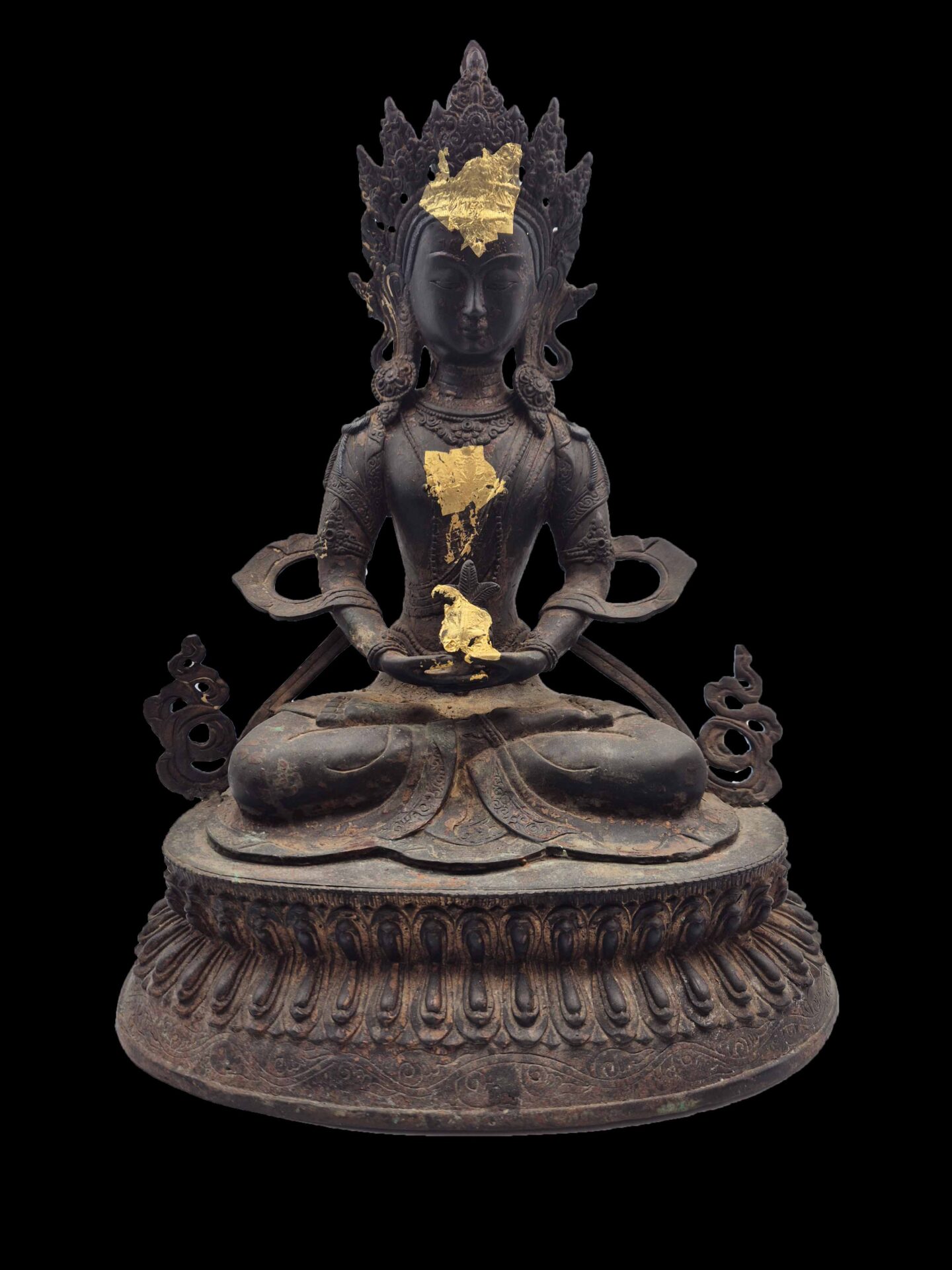
Tibetan Buddhist art developed within Vajrayana Buddhism and is known for its rich symbolism and intricate details.
Characteristics
- Highly detailed ornamentation
- Elaborate lotus thrones
- Symbolic ritual objects
- Rich decorative elements
Common Forms
- Shakyamuni Buddha
- Medicine Buddha
- Vajrayana Buddhist figures
Symbolism
Tibetan statues often emphasize wisdom, compassion, protection, healing, and spiritual transformation.
Dvaravati Style
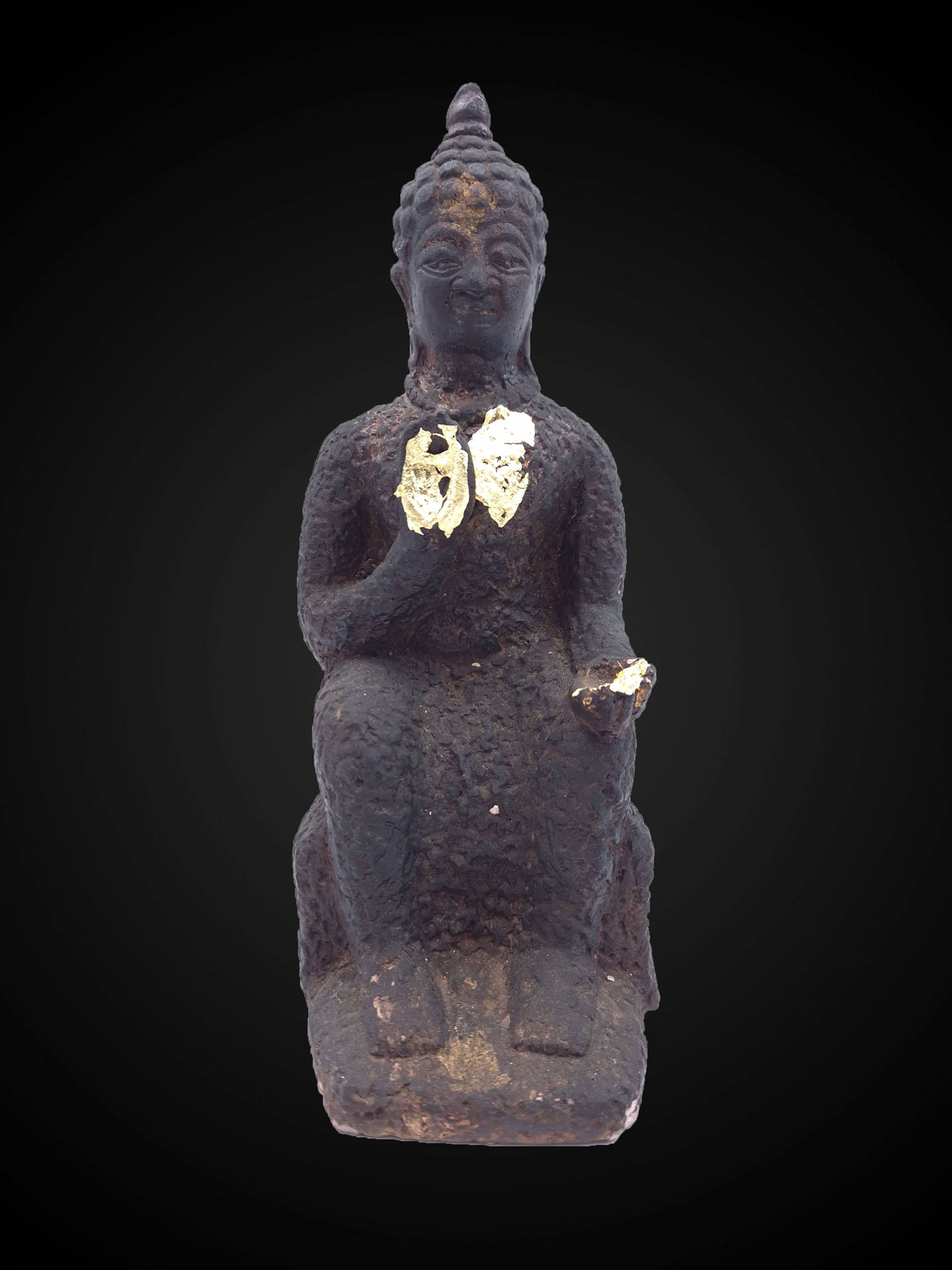
Dvaravati represents one of the earliest Buddhist cultures in present-day Thailand. These early Buddha images reveal strong Indian influences and form an important part of Thailand’s Buddhist heritage.
Characteristics
- Simple and understated appearance
- Strong Indian artistic influence
- Rounded facial features
- Minimal decorative elements
Symbolism
Dvaravati Buddha images reflect the early spread of Buddhism throughout mainland Southeast Asia and the foundations of Thai Buddhist art.
Quick Comparison
| Style | Characteristics |
|---|---|
| Sukhothai | Graceful, elegant, walking Buddha |
| Ayutthaya | Regal, majestic, powerful |
| Rattanakosin | Refined, decorative, balanced |
| Lanna | Rounded, peaceful, meditative |
| Khmer | Strong, formal, architectural |
| Burmese | Decorative, devotional |
| Tibetan | Symbolic, ornate, detailed |
| Dvaravati | Simple, Indian-influenced |
Which Style Should You Choose?
There is no universally superior Buddha statue style. Each tradition reflects a different historical period, artistic influence, and cultural background.
Collectors may appreciate the graceful elegance of Sukhothai statues, the grandeur of Ayutthaya art, the tranquility of Lanna images, the strength of Khmer sculptures, or the rich symbolism found in Tibetan traditions.
The best choice often comes down to personal preference, intended display location, and the artistic qualities that resonate most with the owner.
Conclusion
Thai Buddha statues reflect centuries of artistic development, religious devotion, and cultural exchange throughout Southeast Asia. From the graceful elegance of Sukhothai Buddha images to the refined craftsmanship of the Rattanakosin era, each tradition offers its own unique interpretation of Buddhist art.
Understanding these styles can help collectors and enthusiasts better appreciate the history, symbolism, and beauty behind the many Buddha statues found throughout Thailand and beyond. Browse our complete collection of Buddha Statues, Monk Statues, Arahant Statues, and Deity Statues.
Further Reading
Here are a few hand-picked articles you may find helpful: