

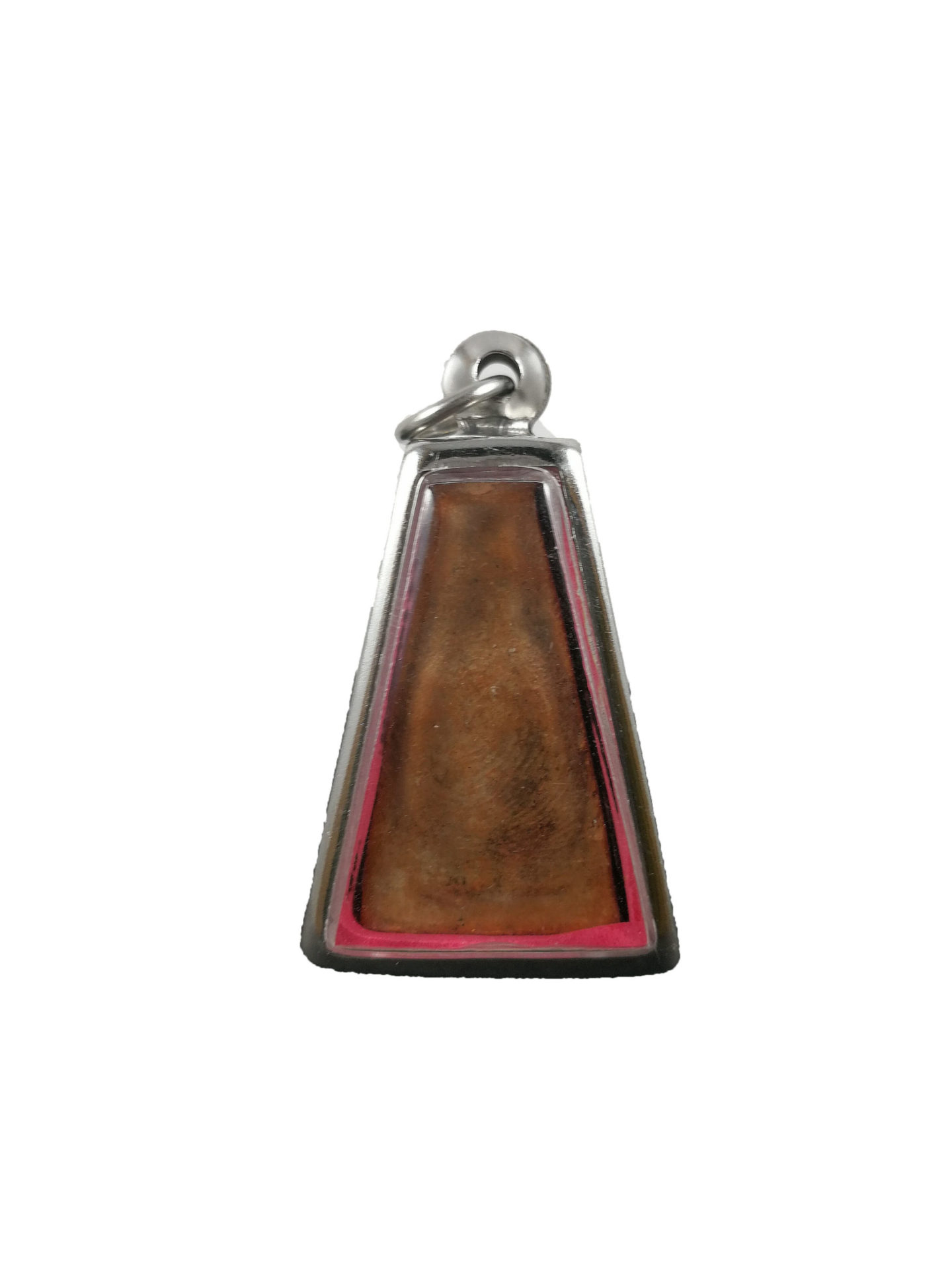
Description
Phra Phong Suphan – A Treasured Thai Buddhist Amulet
Phra Phong Suphan is one of the most recognised and highly collected Buddhist amulets in Thailand. It holds a distinguished position within the Benjapakee, the five most celebrated types of Thai Buddhist amulets, and is particularly admired for its distinctive Buddha imagery and historical significance.
The history of Phra Phong Suphan is closely associated with Wat Phra Si Rattana Mahathat in Suphan Buri Province, Thailand. This historically significant temple is situated within the ancient city of Suphan Buri and is known for its central prang, which has long been associated with Buddhist religious activities. The origins of traditional Phra Phong Suphan amulets are generally linked to the early Ayutthaya period and the U Thong artistic tradition, although the precise circumstances of their earliest production remain uncertain.
A significant discovery occurred in B.E. 2456 (A.D. 1913), during the reign of King Rama VI. Following reports of unauthorised excavations around the temple’s central prang, an official examination of the site was undertaken. Numerous Buddhist amulets, religious objects and inscribed gold plates were reportedly discovered. These findings contributed to the historical recognition of Phra Phong Suphan and its association with the temple.
Traditional Phra Phong Suphan amulets were produced using fine clay mixed with natural ingredients, with historical accounts describing the inclusion of botanical powders, flower pollen and other materials. Despite its name, which includes the word “Phong” meaning powder, classic examples are generally classified as clay amulets. Variations in their composition and preparation contributed to differences in colour, texture and surface appearance.
Phra Phong Suphan is distinguished by its seated Buddha depicted in the Mara Vijaya posture, resting upon a single-tiered pedestal. Its artistic characteristics reflect the influence of the U Thong tradition, particularly in the Buddha’s facial features, head ornamentation and body proportions. Traditional examples are also recognised for fingerprint-like impressions frequently found on their reverse surfaces, associated with the amulet-making process.
The three principal moulds traditionally recognised by collectors are Pim Na Kae (Old Face), Pim Na Klang (Middle Face) and Pim Na Num (Young Face). Each mould displays distinctive variations in facial appearance, proportions and sculptural details, reflecting different interpretations of the traditional Buddha image.
Today, Phra Phong Suphan remains an important part of Thai Buddhist heritage, valued by worshippers and collectors for its religious significance, historical associations and distinctive craftsmanship.


