

Description
Phra Phong Kong Kwan – The Gift Amulets of Wat Paknam
Phra Phong Kong Kwan (พระผงของขวัญ), also commonly written as Phra Phong Khong Khwan, is a recognised form of Thai Buddhist powder amulet closely associated with Wat Paknam Phasi Charoen in Bangkok. The name Khong Khwan means “gift” in Thai, reflecting the tradition of presenting these amulets to devotees and supporters of the temple.
The history of Phra Phong Kong Kwan is closely connected with Luang Phor Sodh Candasaro (A.D. 1884–1959), commonly known as Luang Pu Sodh of Wat Paknam. He was a respected Buddhist monk renowned for his teachings on Dhammakaya meditation and his contributions to Buddhist education. Under his leadership, Wat Paknam developed into an important centre for Buddhist study and meditation.
The first celebrated Phra Phong Kong Kwan edition was introduced in B.E. 2493 (A.D. 1950), with the amulets distributed to devotees who supported the construction of a Buddhist educational institution at Wat Paknam. Three principal early generations were produced during Luang Pu Sodh’s lifetime, including editions associated with B.E. 2493, B.E. 2494 and B.E. 2499. These editions became significant reference pieces within Thai amulet collecting.
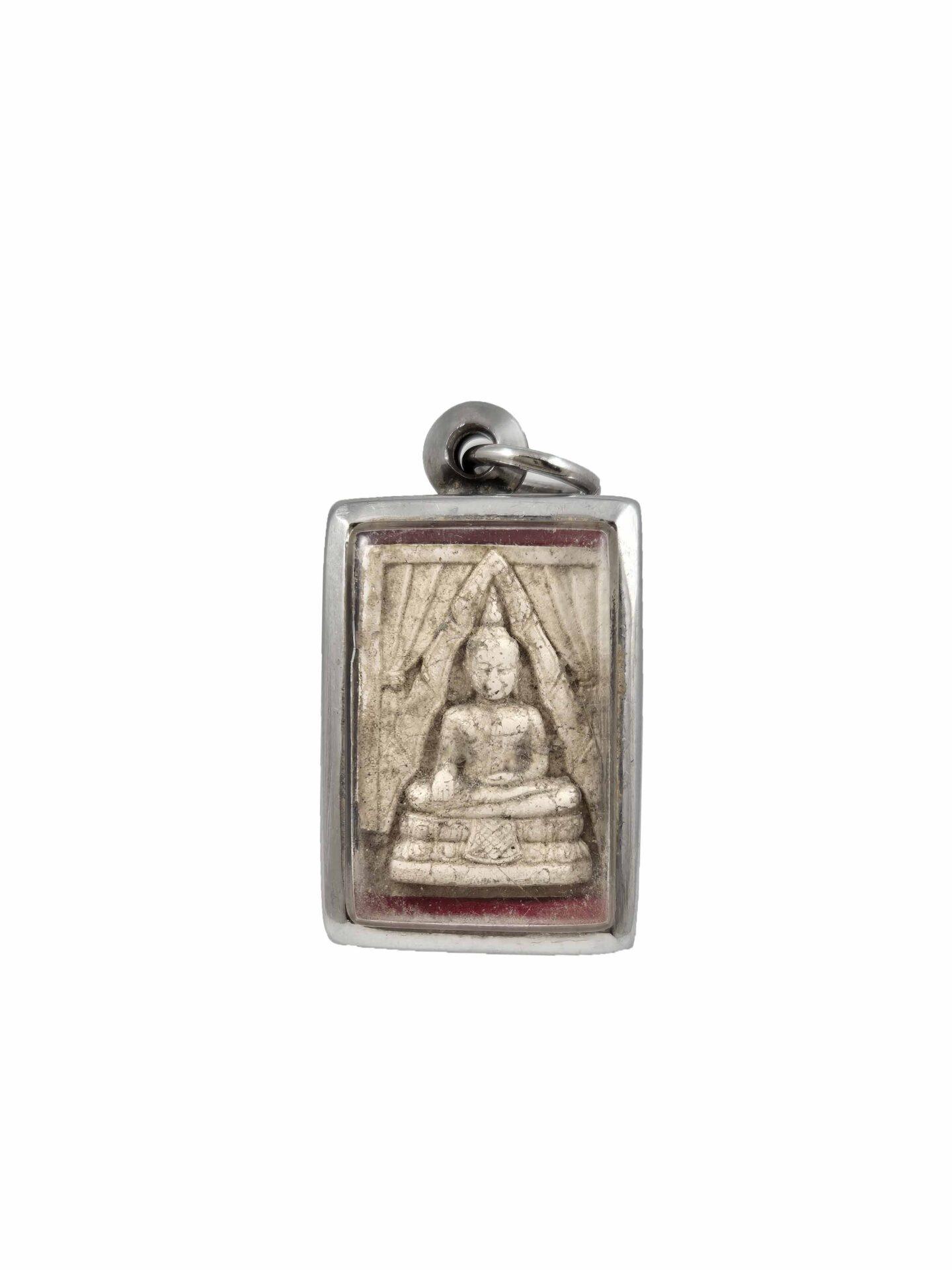
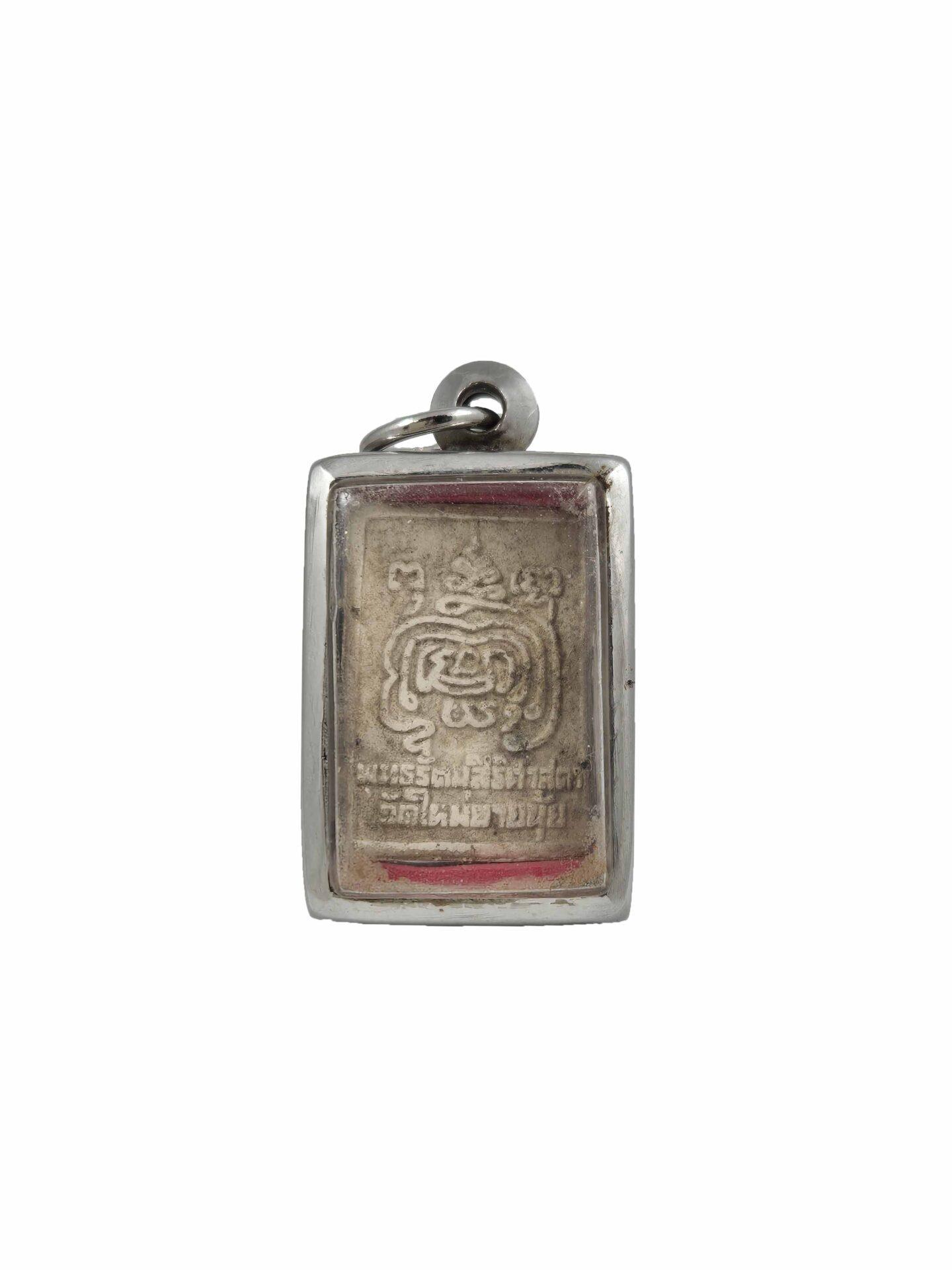
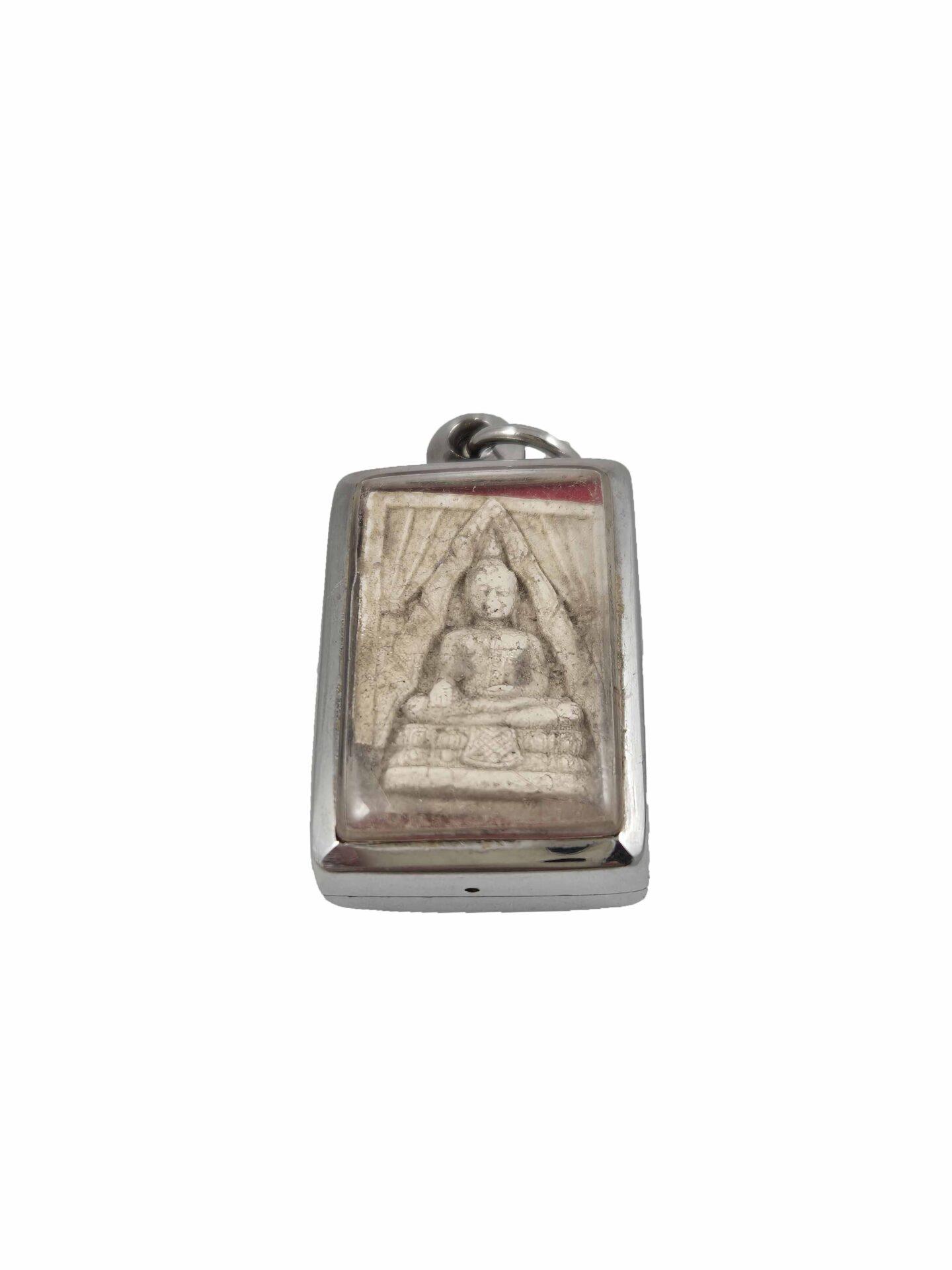
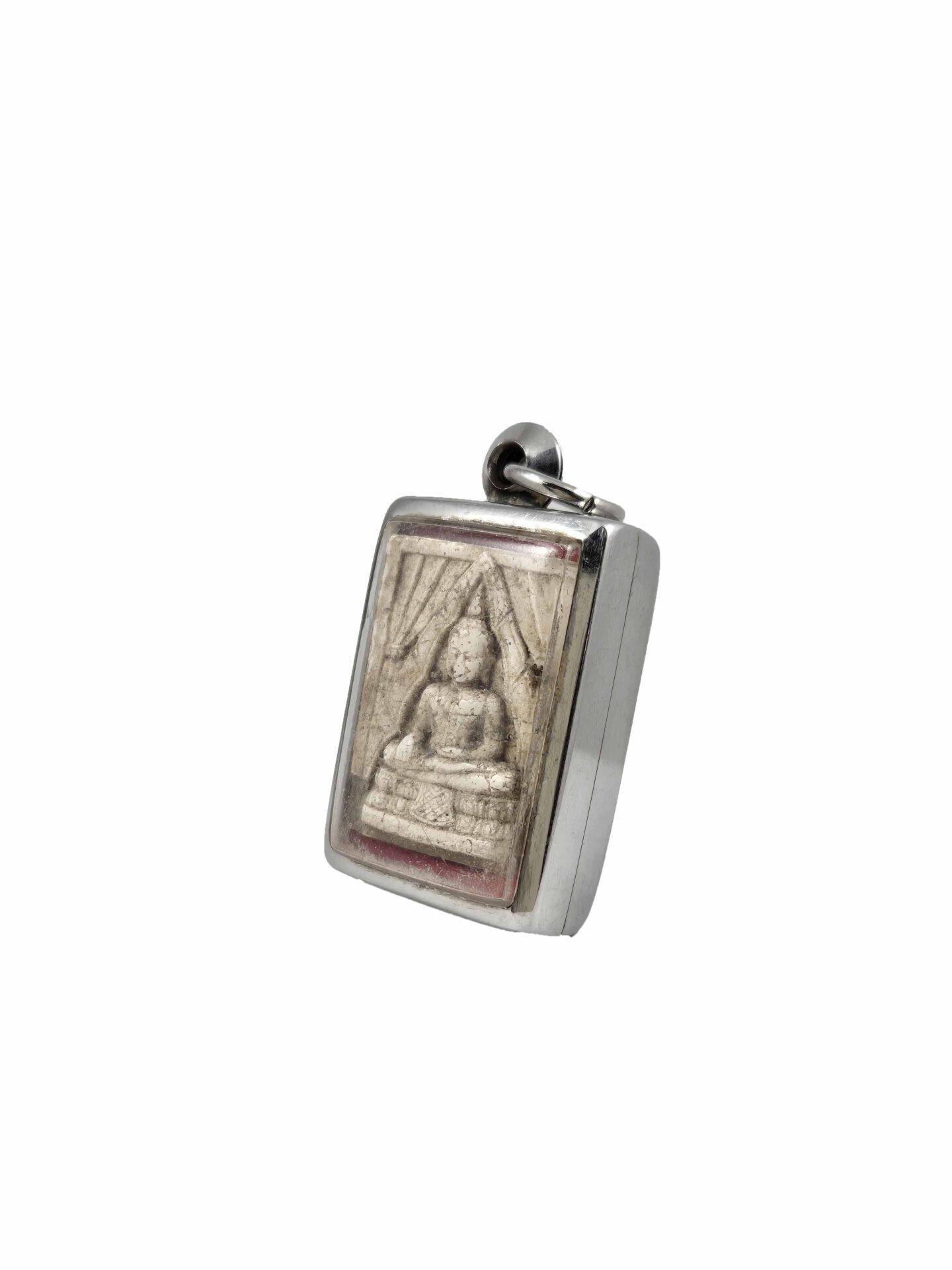
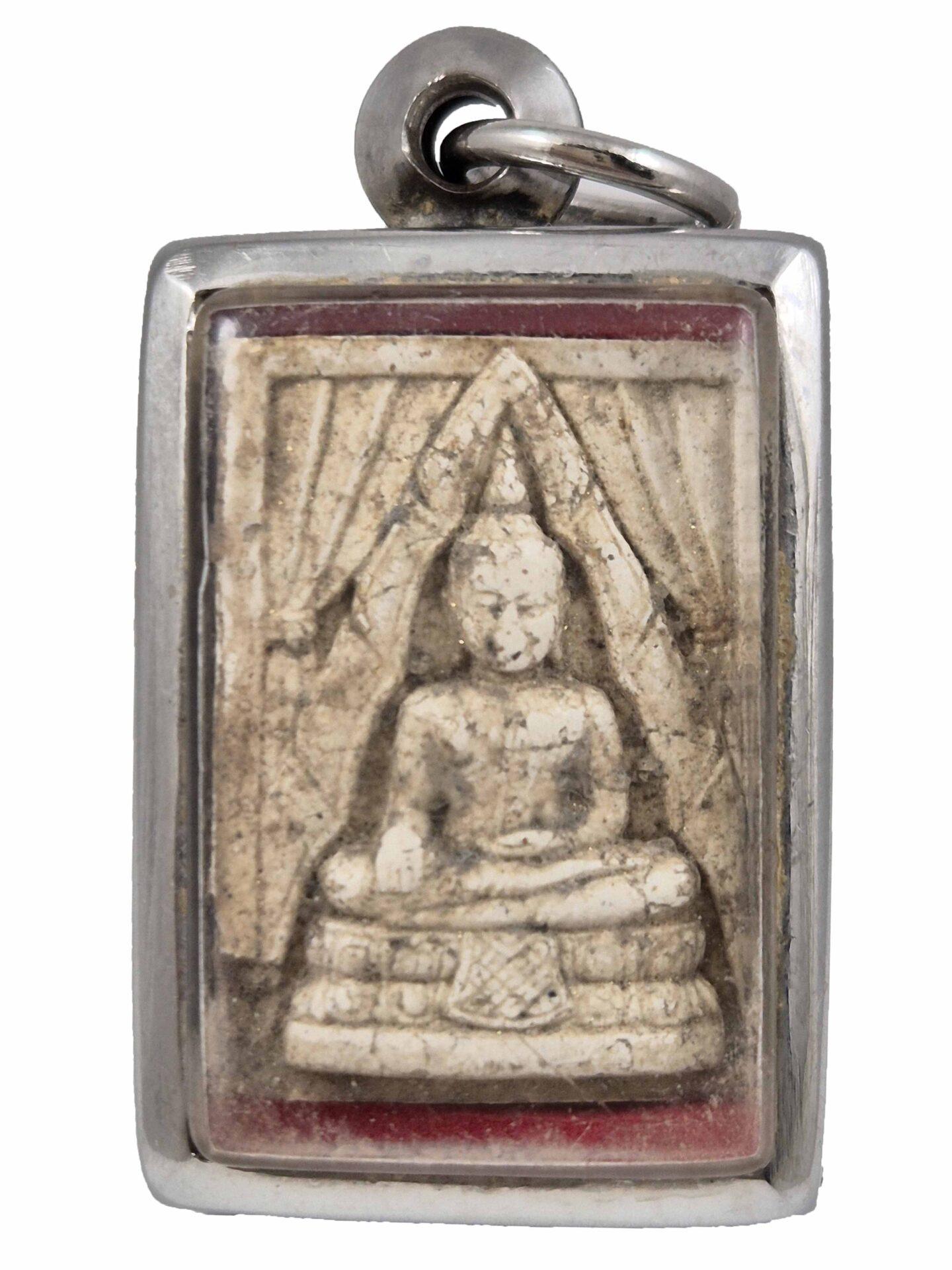
Traditional Phra Phong Kong Kwan amulets generally feature a seated Buddha within a rectangular frame, surrounded by a decorative arch and distinctive horizontal lines. Their reverse surfaces often display traditional Buddhist inscriptions. Variations in mould details, Buddha proportions and inscriptions help distinguish different generations and production blocks.
These amulets were primarily produced using pressed-powder compositions, with variations in natural binding materials, surface coatings and finishing techniques. Some early examples were coated with shellac to improve their durability. Differences in colour, texture and mould characteristics contribute to the distinctive appearance of individual editions.
Over time, Wat Paknam and other associated temples continued producing amulets inspired by this established tradition. Later generations introduced additional designs, materials and commemorative variations, reflecting the continuing influence of Luang Pu Sodh’s Buddhist legacy.
Today, Phra Phong Kong Kwan amulets remain highly regarded among Buddhist devotees and collectors for their religious significance, historical association with Wat Paknam and distinctive Thai craftsmanship.


