
Description
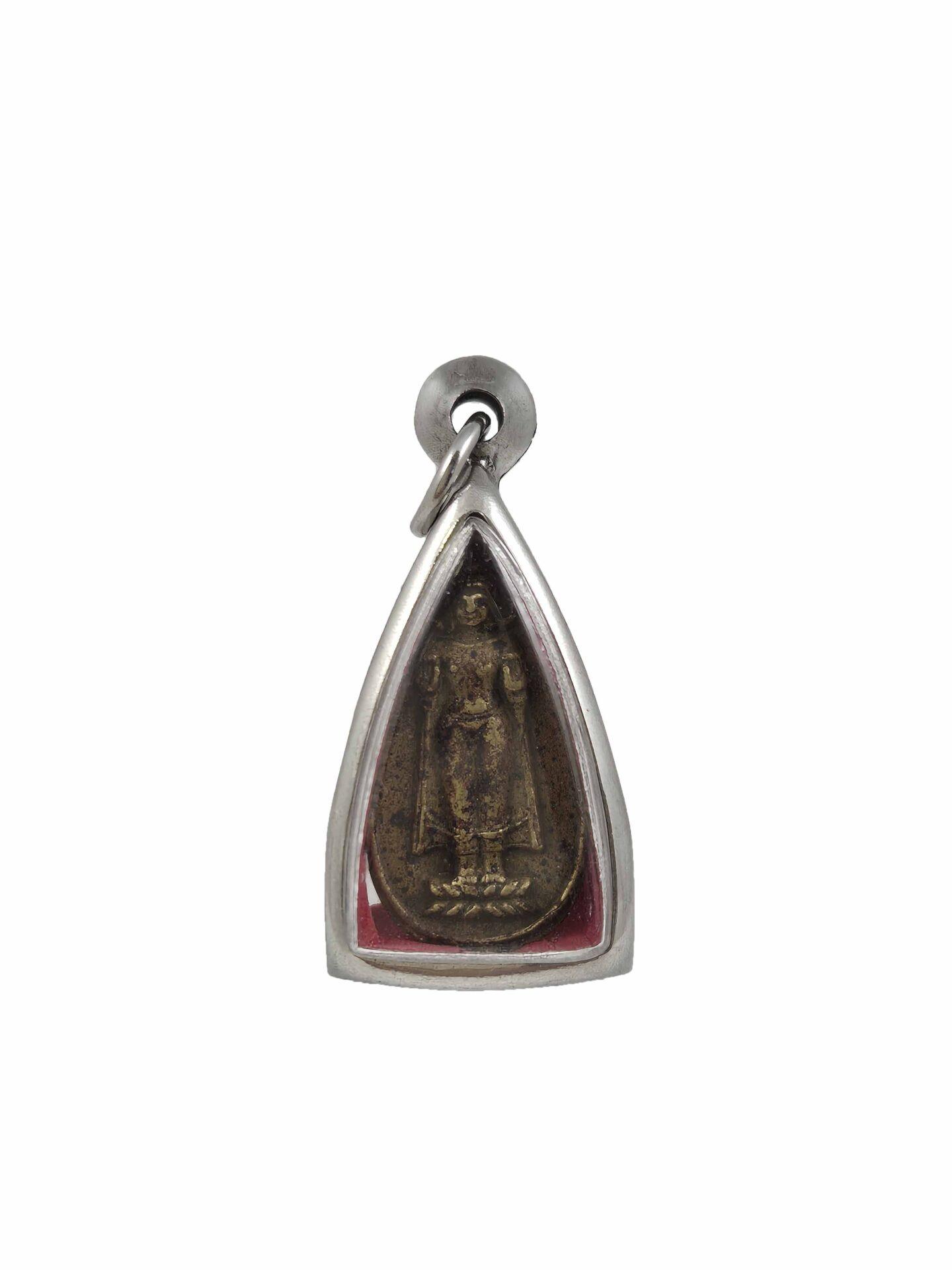
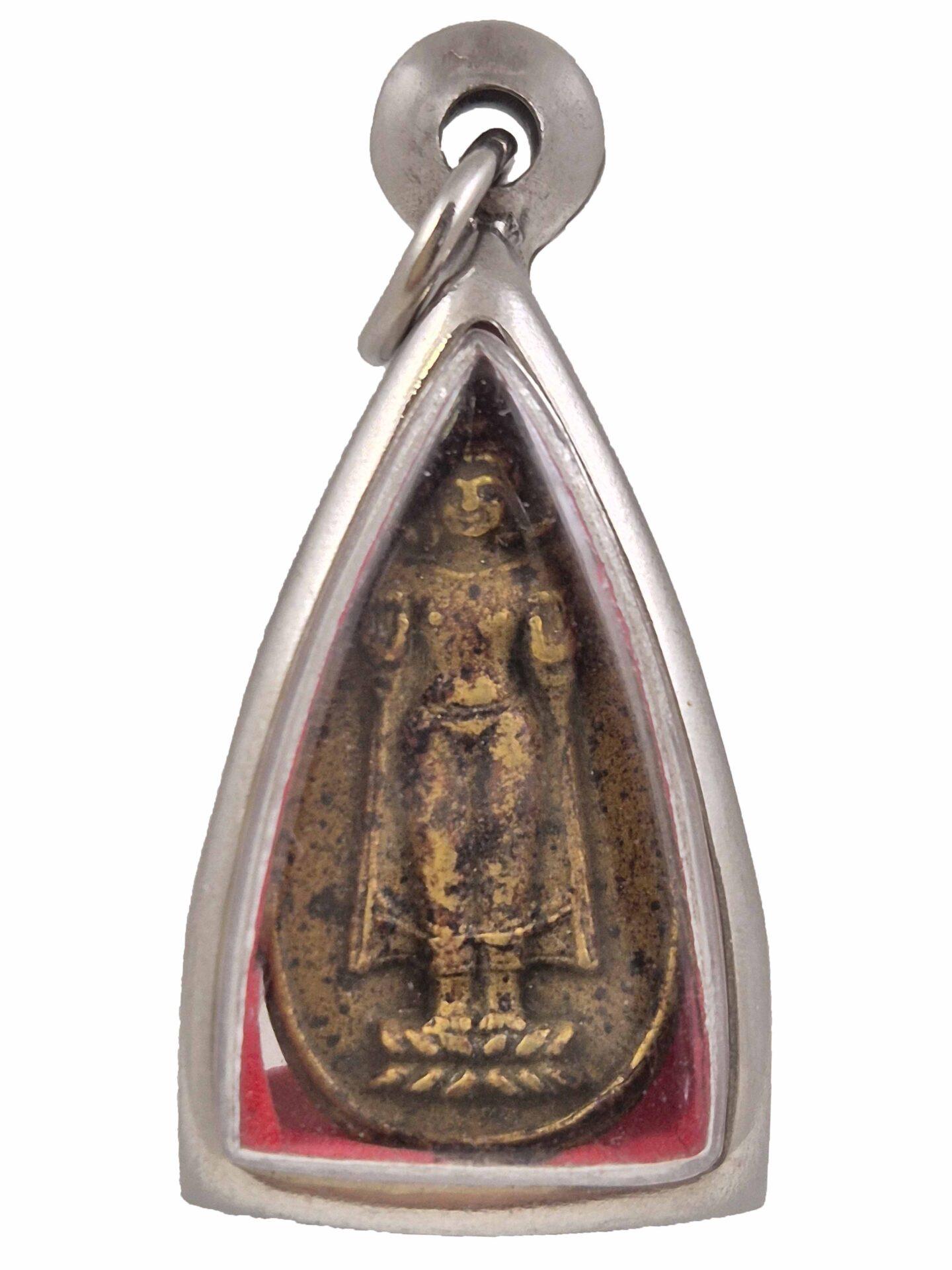
Pang Ham Yati – The Buddha Pacifying the Relatives
Pang Ham Yati (ปางห้ามญาติ), commonly known as the Buddha Pacifying the Relatives, is a traditional standing Buddha posture in Thai Buddhist art. Recognised as one of the Buddha images associated with Monday, it holds an important place within Thailand’s religious traditions and Buddhist iconography.
The origins of Pang Ham Yati are associated with a traditional account from the life of the Buddha. According to Buddhist narratives, a dispute arose between the Sakya and Koliya clans, two royal families related to the Buddha. Both communities depended on the Rohini River for agriculture, but a shortage of water led to disagreements over its use. As tensions escalated and the two sides prepared for conflict, the Buddha intervened to encourage reconciliation.
The Buddha reminded the opposing families of the importance of human life over material possessions, helping to resolve their disagreement peacefully. This event became associated with the Pang Ham Yati posture, representing the Buddhist principles of wisdom, compassion, restraint and peaceful resolution of conflict.
Pang Ham Yati is distinguished by the Buddha standing upright with his right hand raised to chest level, the palm facing outward, while the left arm rests naturally beside the body. This characteristic gesture is traditionally associated with restraint and reassurance. It differs from Pang Ham Samut, another standing Buddha posture in which both hands are raised with the palms facing outward.
Within Thai Buddhist culture, Pang Ham Yati is traditionally recognised as a Monday Buddha image. The practice of associating particular Buddha postures with the days of the week forms an important part of Thailand’s religious and artistic heritage.
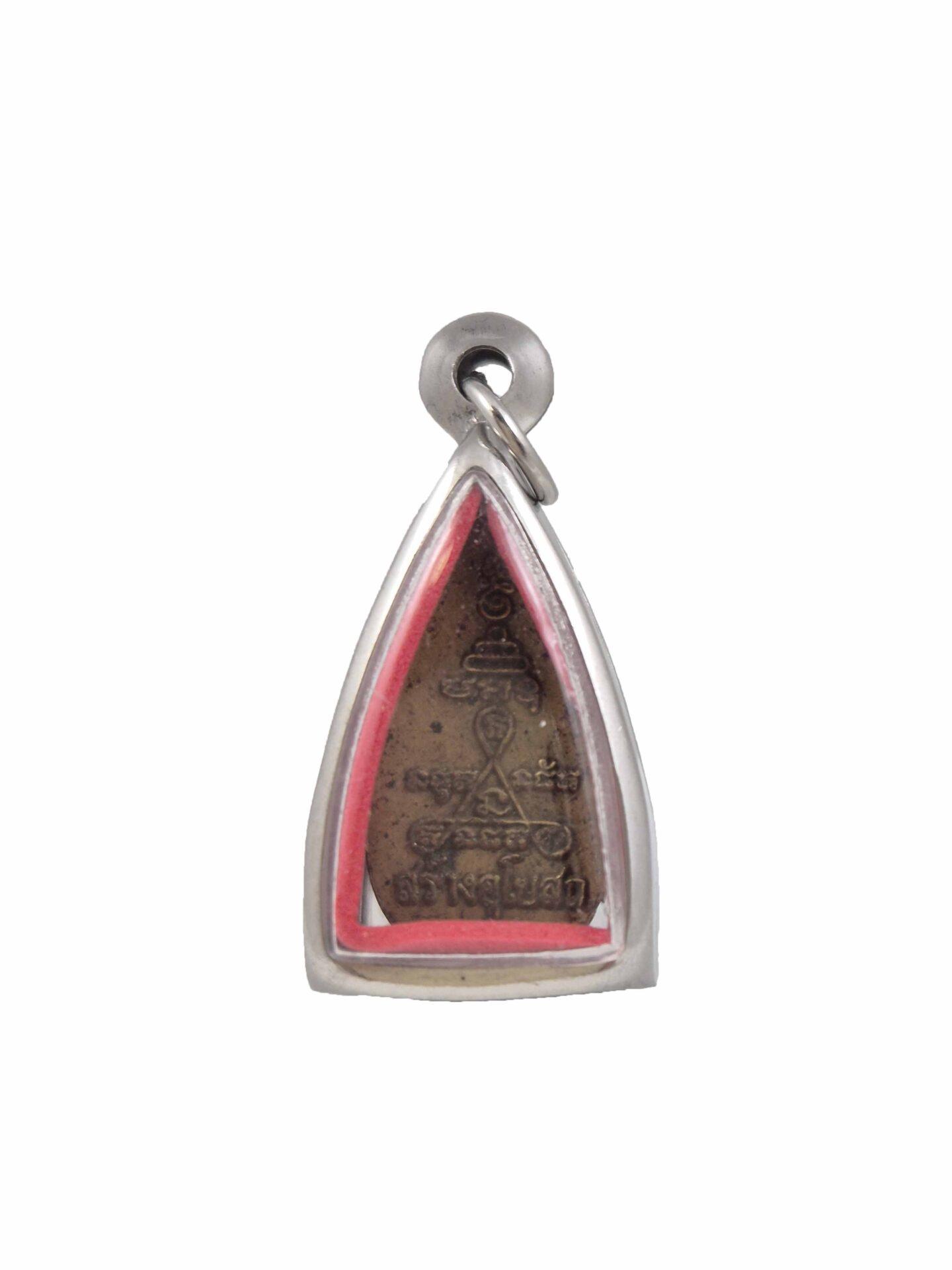
Pang Ham Yati amulets have been produced in various materials, including pressed powders, clay and metal. Different temples and creators have interpreted the traditional standing Buddha image through variations in size, mould details, inscriptions and decorative features.
Today, Pang Ham Yati remains a meaningful representation within Thai Buddhist art, valued by devotees and collectors for its religious significance, traditional symbolism and distinctive craftsmanship.

