

Description
Luang Phor Sothorn – The Revered Buddha Image of Chachoengsao
Luang Phor Sothorn, also known as Phra Phuttha Sothon, is one of the most revered Buddha images in Thailand. Enshrined at Wat Sothonwararam Worawihan in Chachoengsao Province, the image holds an important place in Thai Buddhist heritage and remains a significant subject of traditional Buddhist amulets.
The history of Luang Phor Sothorn is closely associated with Wat Sothonwararam, a historic Buddhist temple situated along the Bang Pakong River. Originally known as Wat Hong, the temple traces its history to the Ayutthaya period and later became widely recognised for housing the revered Buddha image.
According to a longstanding local legend, Luang Phor Sothorn was one of three Buddha images that travelled along Thailand’s waterways before being enshrined at different temples. The image associated with Luang Phor Sothorn reportedly arrived along the Bang Pakong River, where local villagers initially struggled to bring it ashore. Traditional accounts describe how the image was eventually retrieved following a religious ceremony and subsequently installed at the temple. This story remains an important part of Chachoengsao’s cultural and religious folklore.
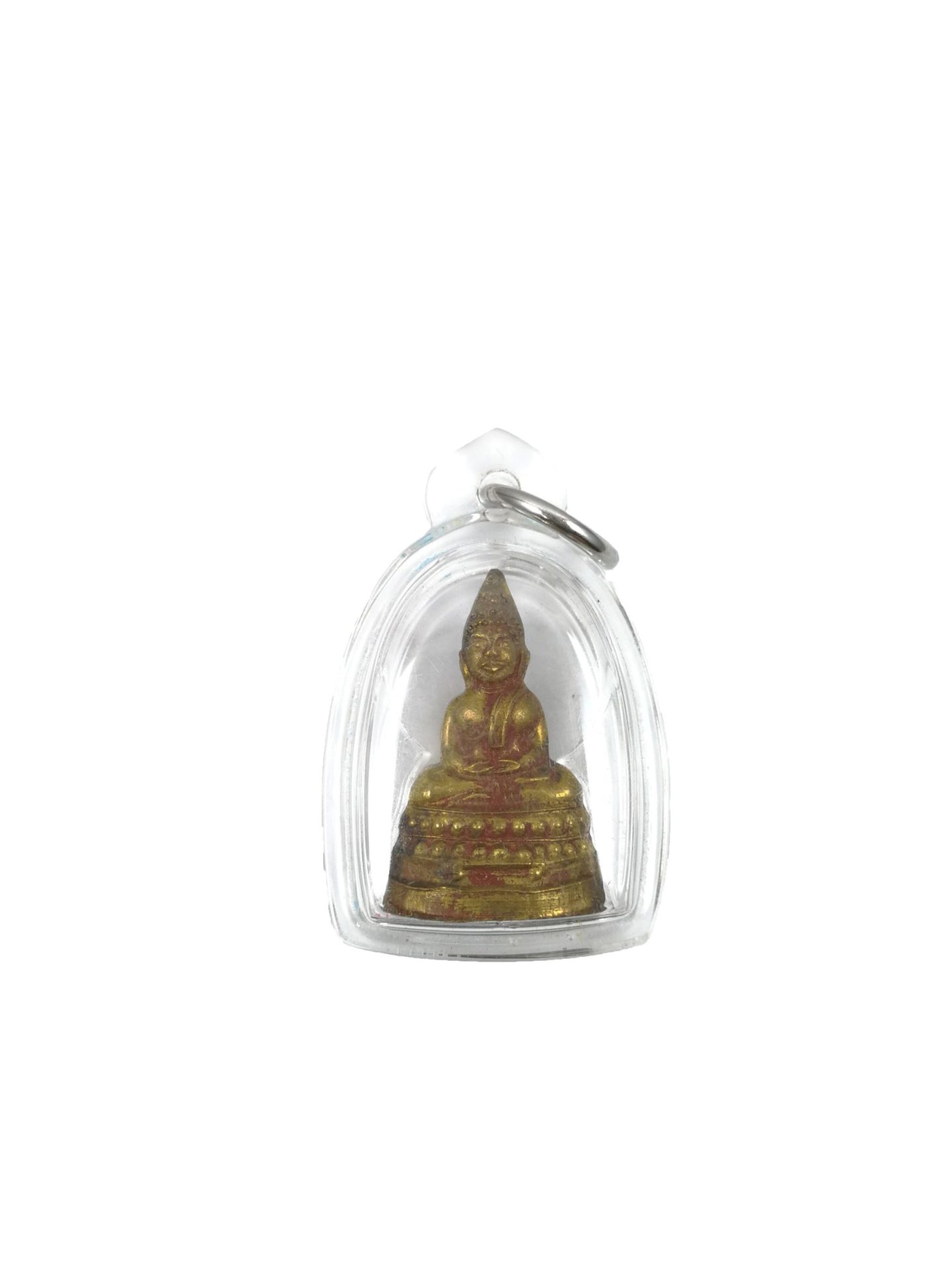
Luang Phor Sothorn is depicted as a seated Buddha in the meditation posture, with both hands resting upon the lap. The historic image is covered with a gilded stucco surface, reflecting traditional Buddhist artistic craftsmanship. Over the centuries, the image has undergone preservation and restoration, contributing to its distinctive appearance today.
Wat Sothonwararam has developed into one of the important Buddhist pilgrimage destinations in eastern Thailand. The temple is recognised for its grand architectural design and longstanding devotional customs. Traditional offerings, including flowers, garlands and boiled eggs, remain a familiar part of local religious practices associated with Luang Phor Sothorn.
Amulets featuring Luang Phor Sothorn’s image have been produced in numerous editions, including portrait medallions, pressed-powder amulets and small cast representations. Among the most celebrated historical editions is the first-generation portrait medal issued in B.E. 2460 (A.D. 1917), which remains an important reference within Thai amulet collecting. Later editions feature a wide variety of materials, inscriptions, moulds and decorative details, reflecting different production periods and artistic traditions.
Today, Luang Phor Sothorn amulets remain highly regarded among Buddhist devotees and collectors for their religious significance, historical associations and distinctive Thai craftsmanship.


