

Description
Loop Om – Traditional Thai Spherical Amulets
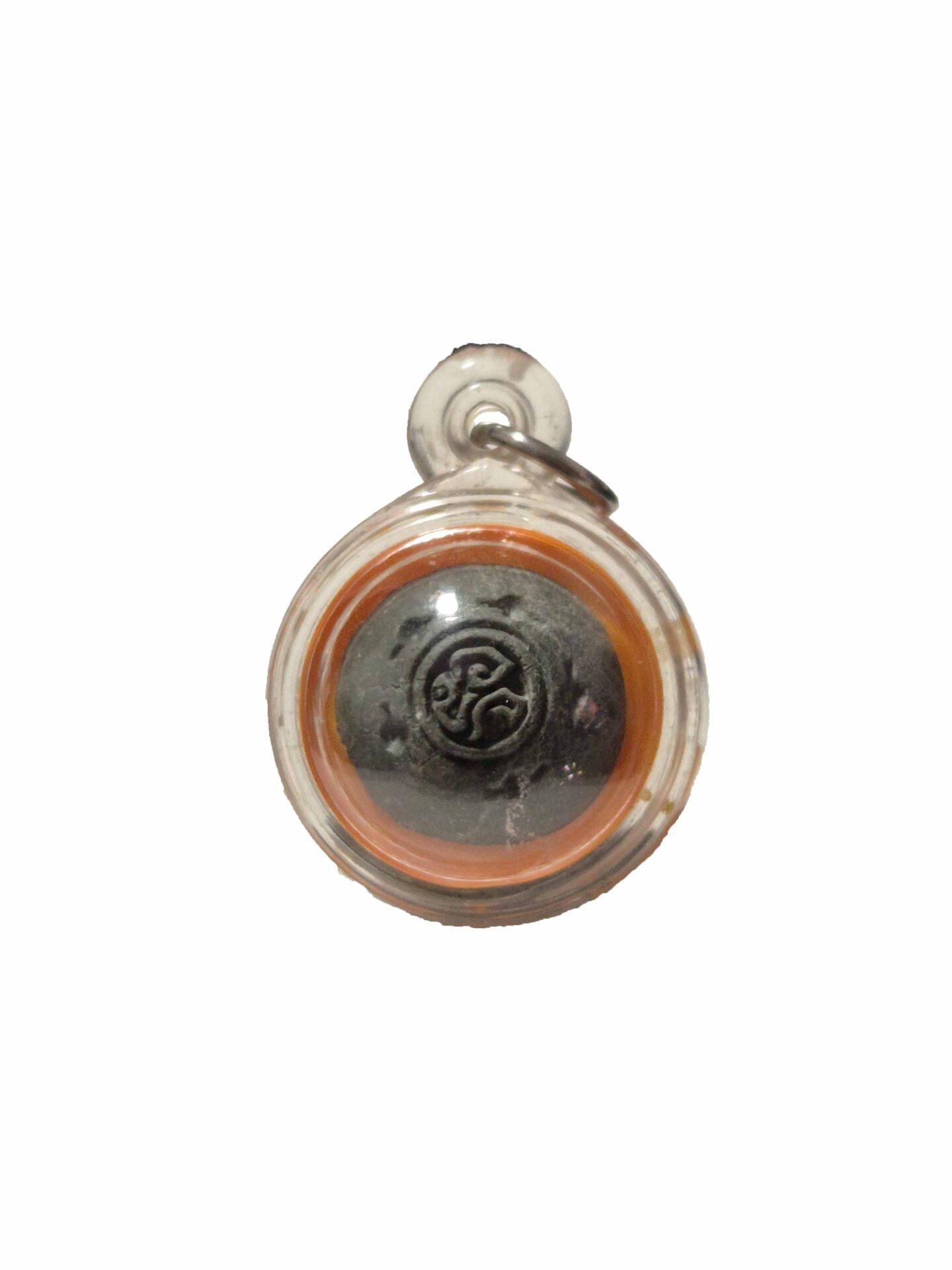
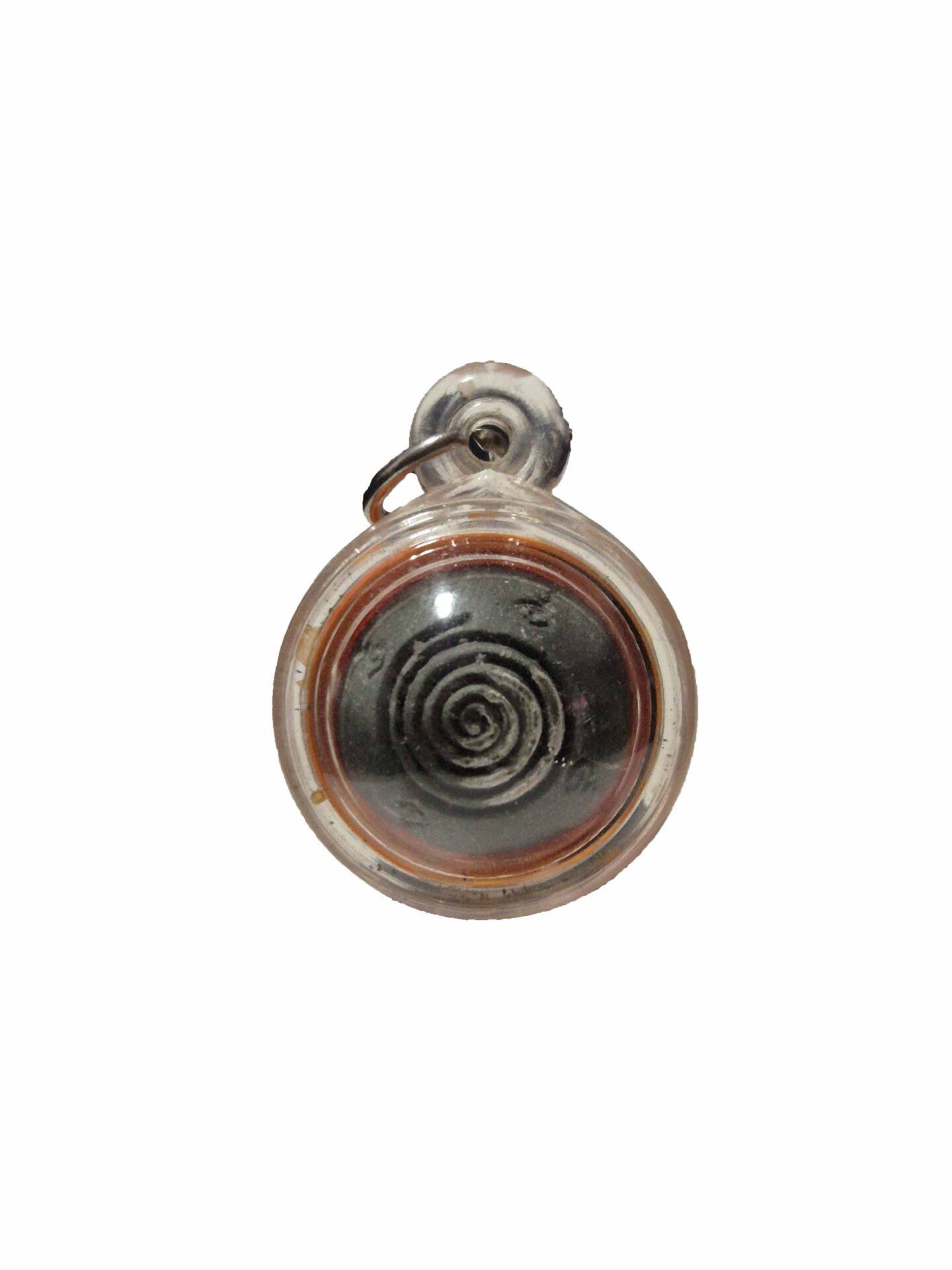
Loop Om (ลูกอม), also known as Luk Om or Look Om, is a distinctive form of traditional Thai amulet recognised for its small, rounded shape. Unlike conventional Buddhist amulets featuring images of the Buddha or revered monks, Loop Om amulets are often formed into simple spherical shapes, reflecting a longstanding tradition of Thai amulet craftsmanship.
The history of Loop Om is closely connected to traditional Thai religious practices and local amulet-making traditions. These small, rounded objects have been produced by different monks, temples and spiritual lineages throughout Thailand. Rather than originating from a single creator or historical period, Loop Om represents a broad category of traditional Thai amulets with diverse origins and methods of production.
Traditional Loop Om amulets are commonly produced using mixtures of sacred powders, natural binding materials and other ingredients. Depending on the individual creator and production period, these may include herbal powders, clay, flower pollen, wax and other natural substances. Some editions incorporate small metal scrolls known as Takrut, while others feature decorative coatings or distinctive surface textures.
Several well-known Loop Om traditions are associated with respected Thai Buddhist monks, including Luang Pu Tim of Wat Lahan Rai and Luang Pu Doo of Wat Sakae. Their respective amulet traditions illustrate the diversity of materials, preparation techniques and regional influences found within this category.
Loop Om amulets vary considerably in size, colour, texture and composition. Some examples feature smooth, rounded surfaces, while others display rougher textures, visible material fragments or irregular handmade shapes. These characteristics contribute to the distinctive appearance of individual pieces and are important considerations in traditional Thai amulet collecting.
Today, Loop Om remains an established part of Thai amulet heritage, valued by devotees and collectors for its cultural significance, traditional craftsmanship and historical associations with different monks and temples.


