
Description
Jatukam Ramathep – A Distinctive Tradition of Southern Thailand
Jatukam Ramathep is one of the most recognisable modern Thai amulet traditions, closely associated with Nakhon Si Thammarat in southern Thailand. Its often circular designs and elaborate symbolic imagery became especially well known during the nationwide collecting boom of 2006–2007.
Jatukam Ramathep is linked in local tradition to guardian figures associated with Wat Phra Mahathat Woramahawihan, the historic temple known for its great relic stupa. Different legends describe Jatukam and Ramathep as guardian deities, royal figures or protectors of the city. These accounts reflect the region’s rich cultural and religious traditions, although the identities and historical origins of the figures remain debated.
The modern Jatukam Ramathep amulet tradition is generally traced to B.E. 2530 (A.D. 1987), when an early edition was produced in connection with the establishment of the Nakhon Si Thammarat City Pillar Shrine. Police Major General Khun Phantharak Rajjadej, widely known as Khun Phan, was among the important figures associated with the project. These early releases later became particularly recognised among collectors.
Interest in Jatukam Ramathep amulets grew dramatically during 2006–2007, especially following Khun Phan’s passing in 2006. Numerous temples and creators subsequently issued different editions, resulting in a wide variety of designs, materials and decorative styles. This period marked one of the most notable collecting trends in modern Thai amulet history.
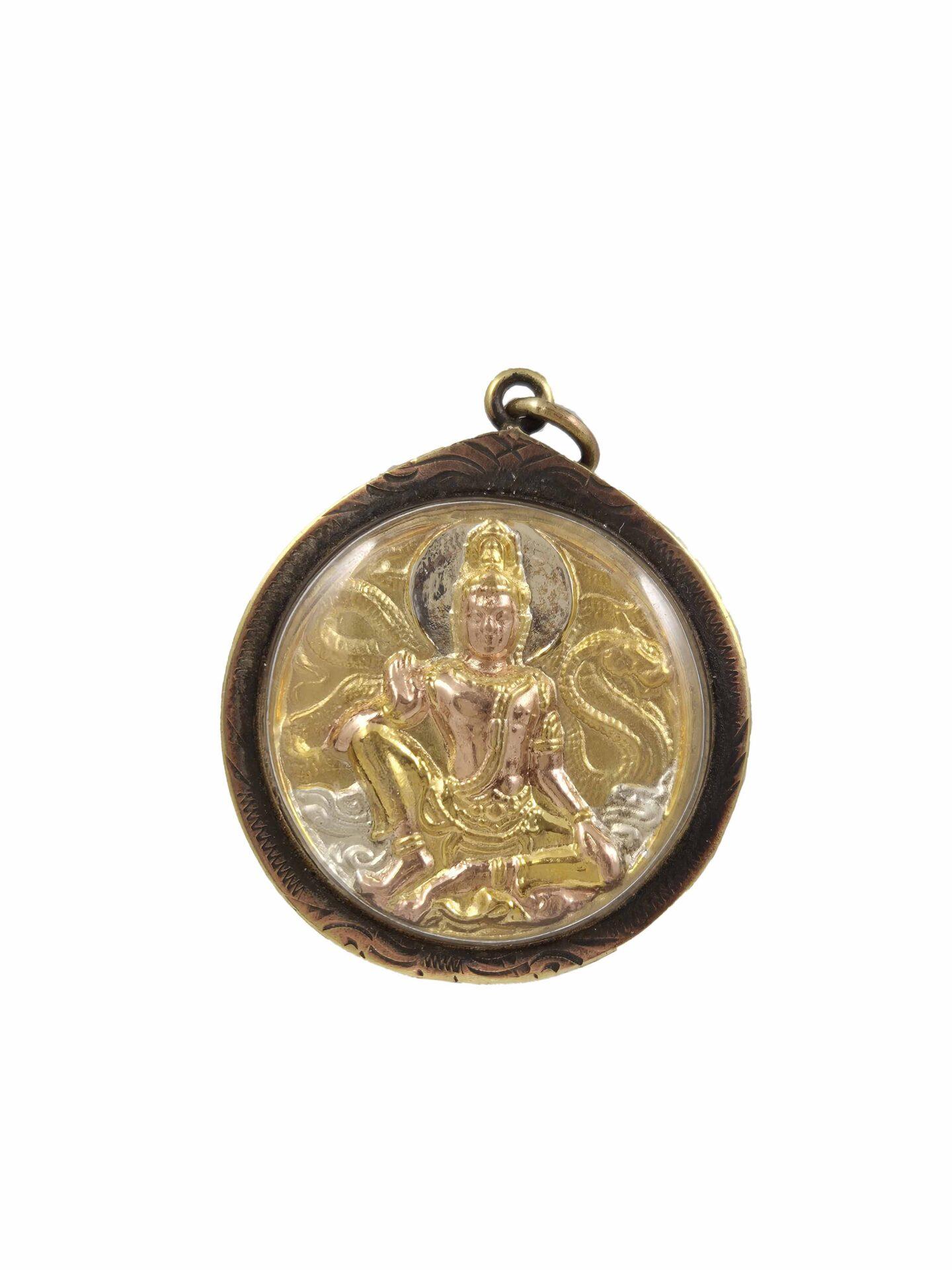
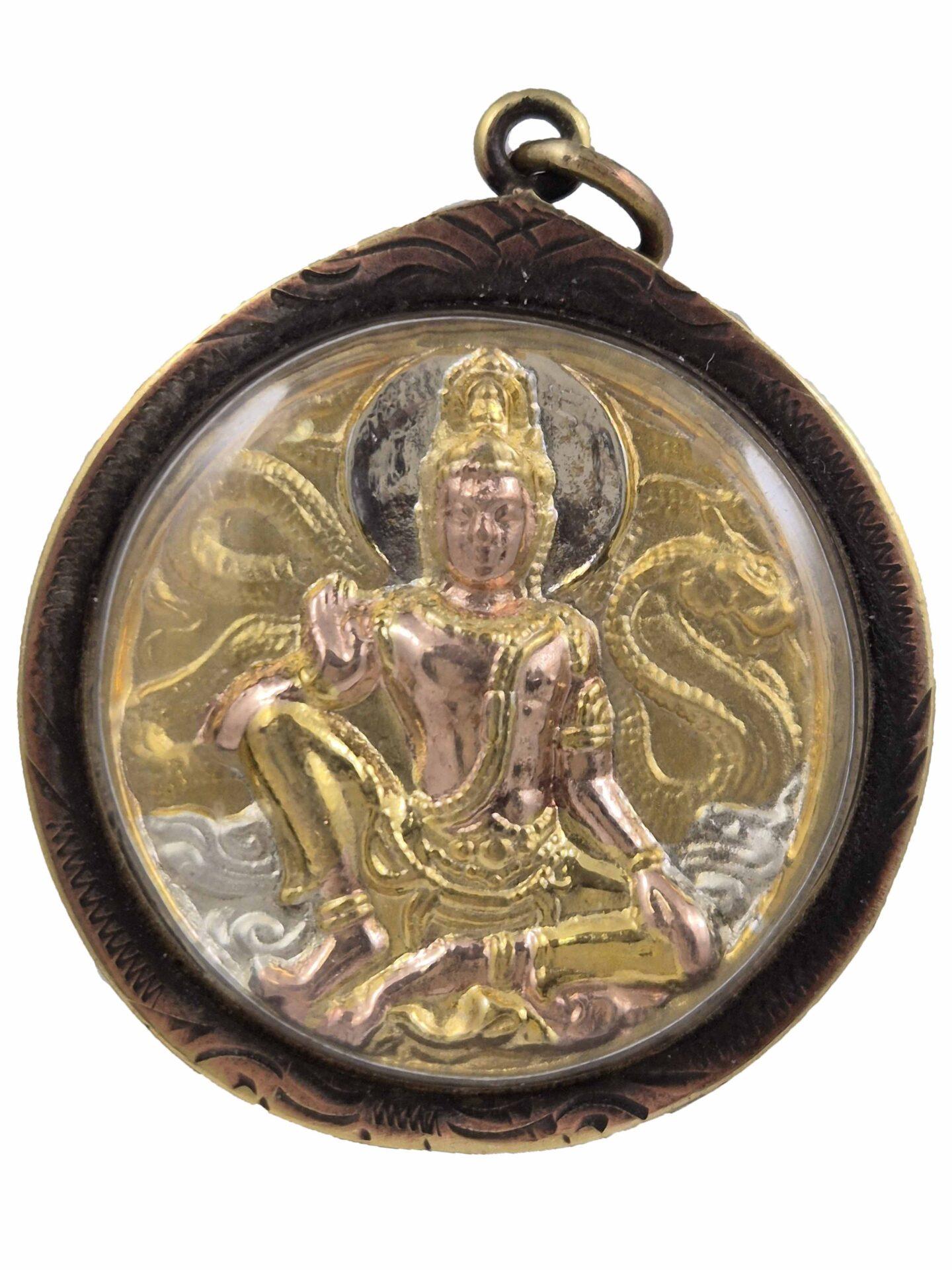
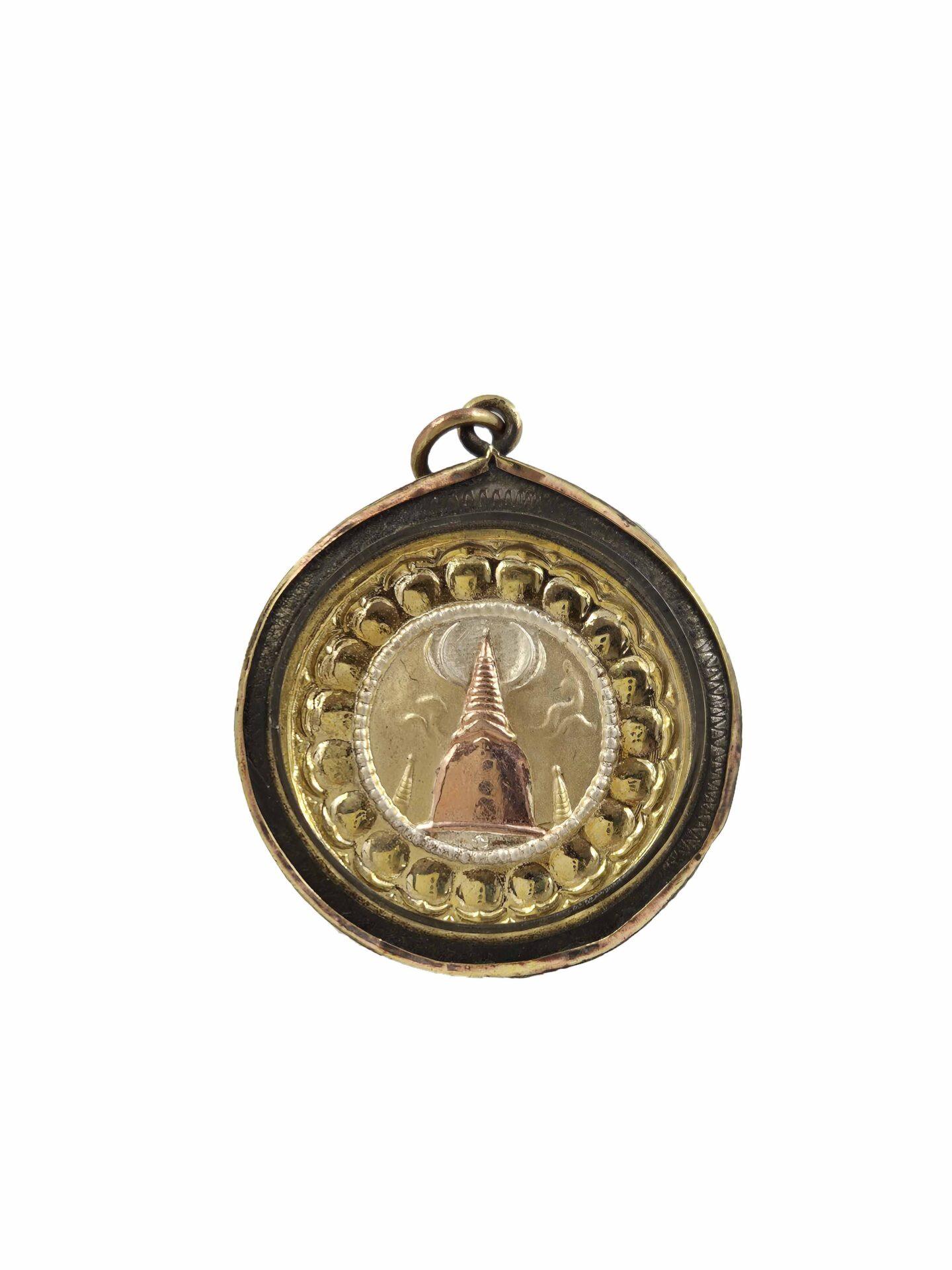
Many Jatukam Ramathep amulets take the form of circular medallions featuring a seated guardian figure surrounded by ornate motifs. Depending on the edition, designs may incorporate celestial imagery, zodiac symbols, Rahu motifs, traditional inscriptions and decorative borders. They have been produced in materials including pressed powder, clay and metal, with individual editions varying in size, colour and craftsmanship.
Today, Jatukam Ramathep amulets remain an important part of southern Thai cultural heritage, valued by devotees and collectors for their historical associations, distinctive imagery and artistic diversity.


