
Introduction
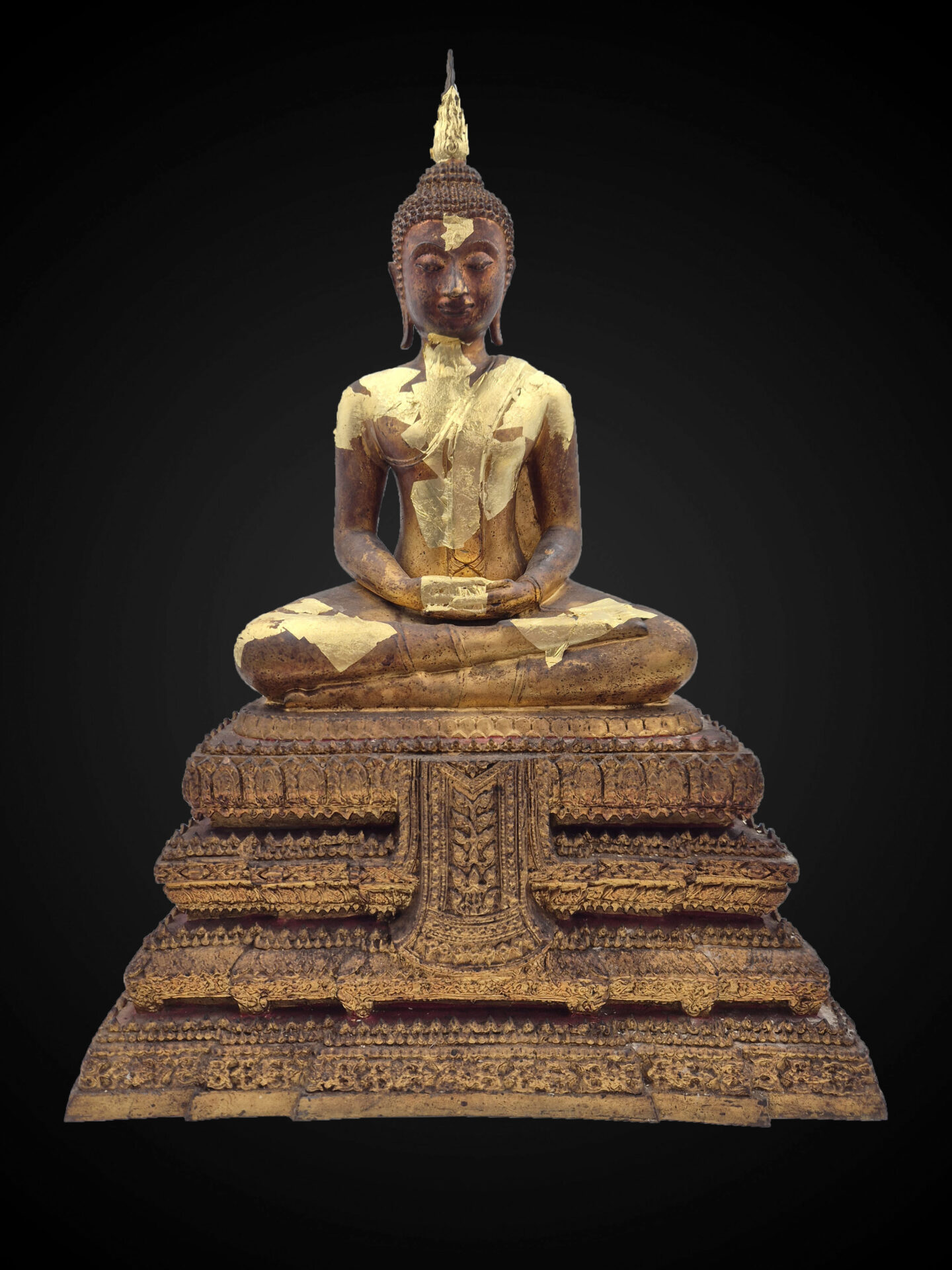
With so many different sizes, postures, styles, and artistic traditions available, it can sometimes be difficult to know where to begin. Whether you are creating a home altar, furnishing a meditation room, or simply appreciate Buddhist art, understanding the key differences between Buddha statues can help you make a more informed choice.
This guide explores the most important factors to consider when selecting a Buddha statue for your home or altar.
Consider the Purpose of the Statue
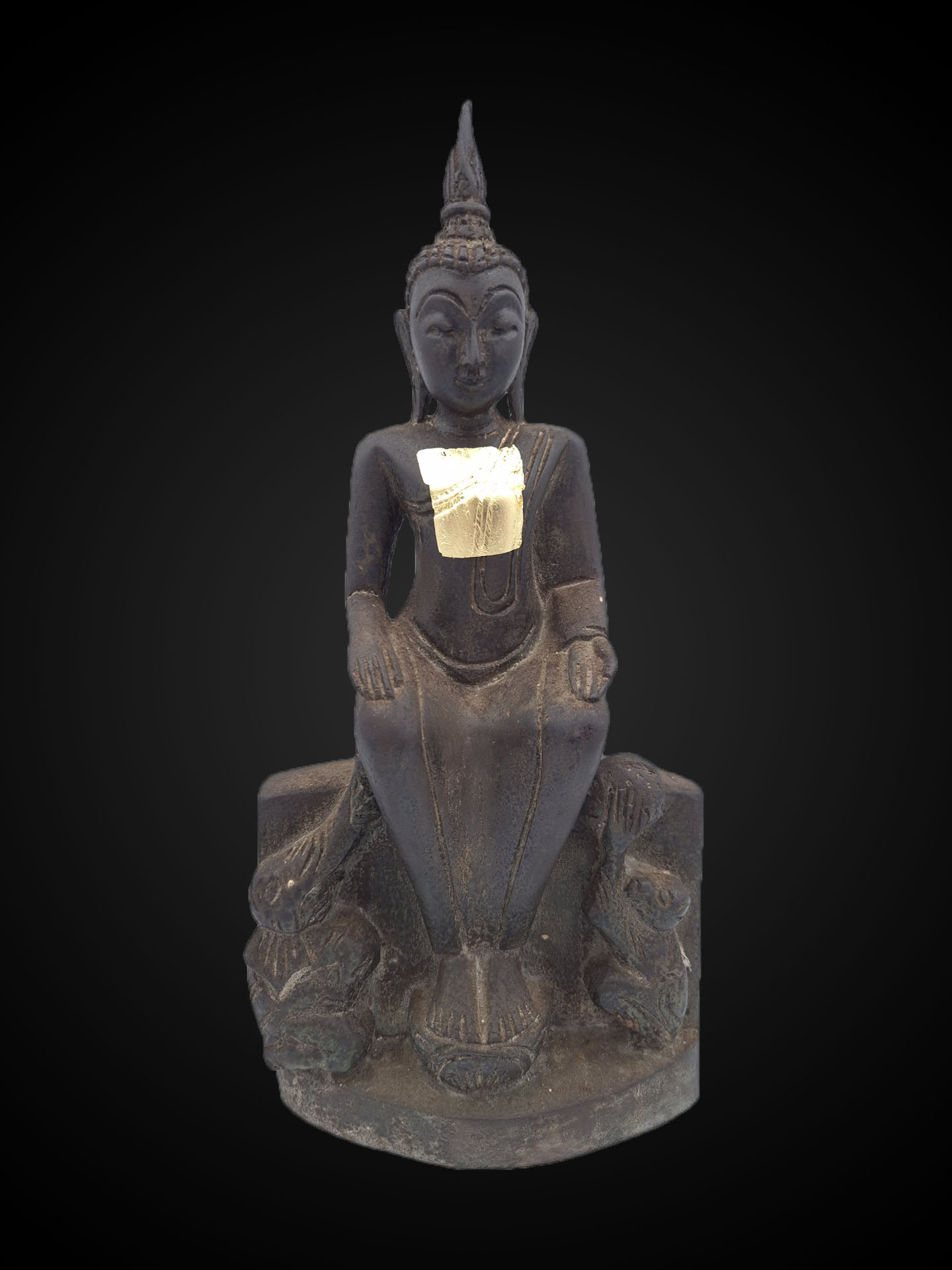
Before choosing a statue, it can be helpful to think about its intended purpose.
Some people select a Buddha statue for:
- A home altar
- A meditation space
- A shrine room
- Decorative display
- Cultural appreciation
- Buddhist practice and reflection
There is no universally correct choice. The best Buddha statue is often the one that resonates most strongly with the owner.
Understanding Different Buddha Postures
Earth-Touching Buddha
The Earth-Touching Buddha, also known as the Maravijaya posture, depicts the moment the Buddha attained enlightenment beneath the Bodhi tree.
This is one of the most popular forms found throughout Thailand and is often chosen as a symbol of determination, victory over obstacles, and spiritual awakening.
Meditation Buddha
The Meditation Buddha sits with both hands resting in the lap.
This posture symbolizes inner peace, concentration, mindfulness, and contemplation, making it a popular choice for meditation rooms and quiet spaces.
Walking Buddha
A uniquely Thai artistic tradition, the Walking Buddha symbolizes compassion, grace, and the Buddha’s active role in teaching others.
Walking Buddha statues are especially associated with Sukhothai art.
Reclining Buddha
The Reclining Buddha represents the Buddha’s entry into Parinirvana.
Large reclining Buddha statues are commonly found in temples throughout Thailand and are appreciated for their historical and artistic significance.
Crowned Buddha
The Crowned Buddha, sometimes known as Jambupati Buddha, depicts the Buddha in royal attire and symbolizes the supremacy of spiritual wisdom over worldly power.
Choosing the Right Size
The size of the statue should be appropriate for the intended display location.
Small Buddha Statues (Under 20 cm)
Small statues are ideal for:
- Desks
- Shelves
- Personal prayer spaces
- Compact home altars
Medium Buddha Statues (20–40 cm)
Medium-sized statues are among the most versatile choices and work well in:
- Living rooms
- Home altars
- Meditation spaces
- Display cabinets
Large Buddha Statues (Over 40 cm)
Larger statues create a stronger visual presence and are often used as focal points within:
- Shrine rooms
- Larger altars
- Gardens
- Dedicated meditation areas
When selecting a size, consider both the available space and the overall visual balance of the room.
Choosing a Buddha Statue Style
Thailand’s rich artistic heritage has produced several distinctive Buddha statue traditions.
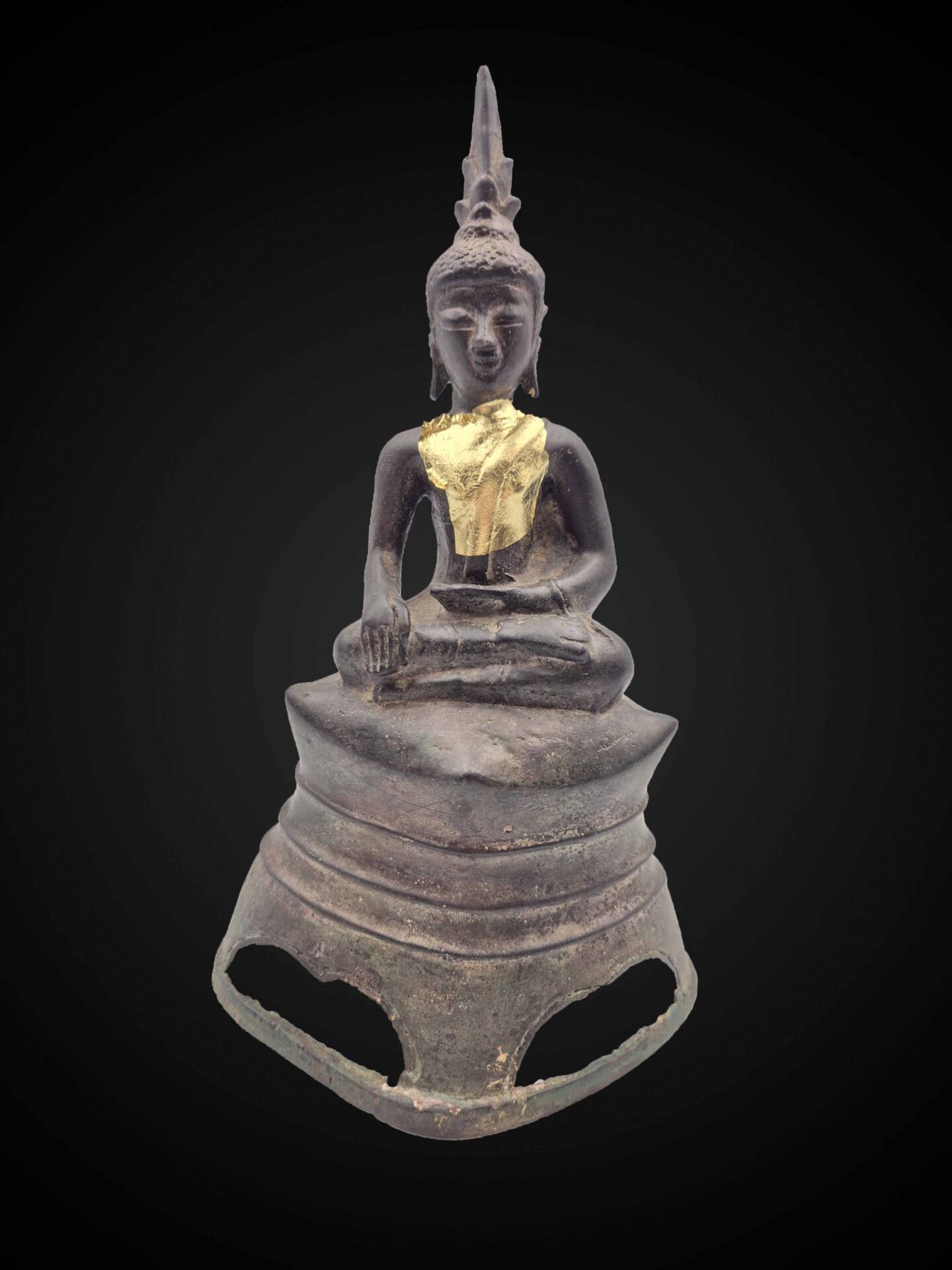
Sukhothai Style
Known for elegant proportions, graceful features, and the famous Walking Buddha form.
Ayutthaya Style
Recognized for stronger proportions and a regal appearance.
Rattanakosin Style
Refined and decorative, with influences from earlier Thai traditions.
Lanna Style
Associated with Northern Thailand and characterized by a peaceful and meditative appearance.
Khmer Style
Influenced by ancient Khmer art and known for strong facial features and formal styling.
Different styles often appeal to different personal preferences. Some collectors favour the elegance of Sukhothai images, while others prefer the grandeur of Ayutthaya or the tranquility of Lanna art.
Material Considerations
Many traditional Thai Buddha statues are cast in bronze, a material that has been widely used throughout Southeast Asia for centuries.
Bronze statues are appreciated for:
- Durability
- Fine detail reproduction
- Traditional appearance
- Long-lasting quality
Different finishing techniques, patinas, and decorative elements can create a wide variety of visual styles even within bronze statues.
Placement Considerations
Before selecting a Buddha statue, consider where it will be displayed.
Common locations include:
- Home altars
- Meditation rooms
- Living rooms
- Offices
- Display cabinets
The size, style, and posture of the statue should complement the intended space while creating a balanced and harmonious presentation.
Common Mistakes to Avoid
When choosing a Buddha statue, some common mistakes include:
- Selecting a statue that is too large for the available space
- Focusing only on price rather than artistic quality
- Ignoring the style of the statue
- Overlooking the intended display location
- Choosing a design that does not personally resonate with the owner
Which Buddha Statue Is Best for Beginners?
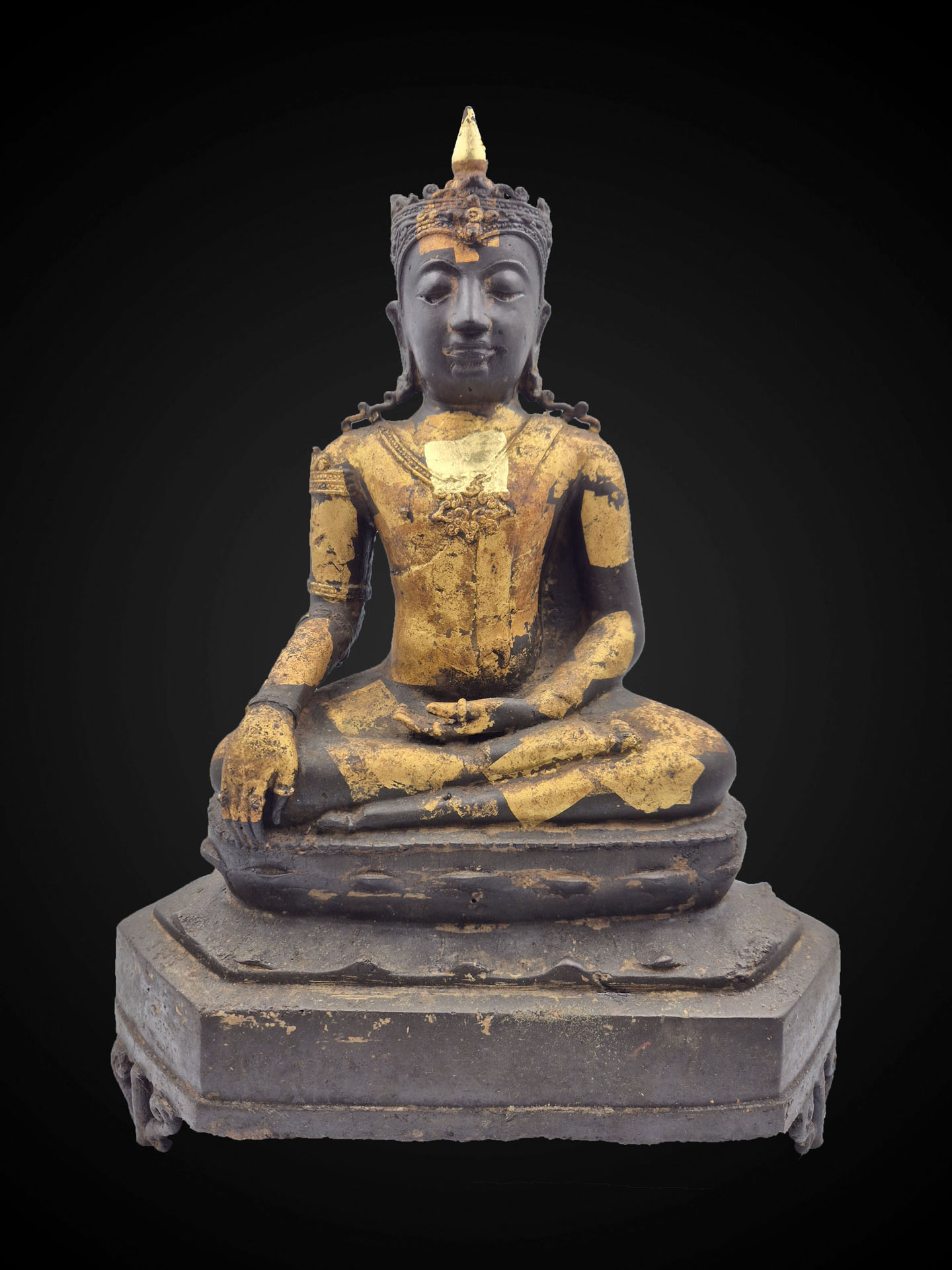
Both forms are widely recognized, deeply rooted in Buddhist tradition, and suitable for a variety of home and altar settings.
Ultimately, there is no single “best” Buddha statue. The right choice depends on personal preference, available space, artistic style, and the purpose of the display.
Conclusion
Choosing a Buddha statue is a deeply personal decision that combines artistic appreciation, cultural heritage, and individual preference. By considering factors such as posture, size, style, material, and display location, it becomes easier to find a statue that complements both the space and the owner’s intentions.
Whether you are drawn to the elegance of Sukhothai art, the grandeur of Ayutthaya traditions, or the tranquility of a Meditation Buddha, the most important consideration is selecting a statue that inspires reflection, mindfulness, and appreciation for Buddhist art and culture.
If you are interested in exploring Thai Buddha statues further, we invite you to browse our collection of Buddha statues, featuring a variety of styles, postures, and traditions inspired by Thailand’s rich artistic heritage.
Further Reading
Here are a few hand-picked articles you may find helpful: