
Thailand is home to a rich and diverse religious heritage, reflected in the many sacred statues found in temples, homes, shrines, and personal collections. Visitors and collectors often encounter many different figures, ranging from Buddhas and revered monks to deities and spiritual guardians. While these statues may appear similar at first glance, they represent very different figures, traditions, and meanings.
Understanding the differences between Buddha, Arahant, Monk, Deity, and Spirit statues can help collectors, practitioners, and newcomers better appreciate the unique significance of each category. Whether displayed for devotion, meditation, cultural appreciation, or collection, each type of statue occupies its own place within Thai tradition.
Buddha Statues
Who is the Buddha?
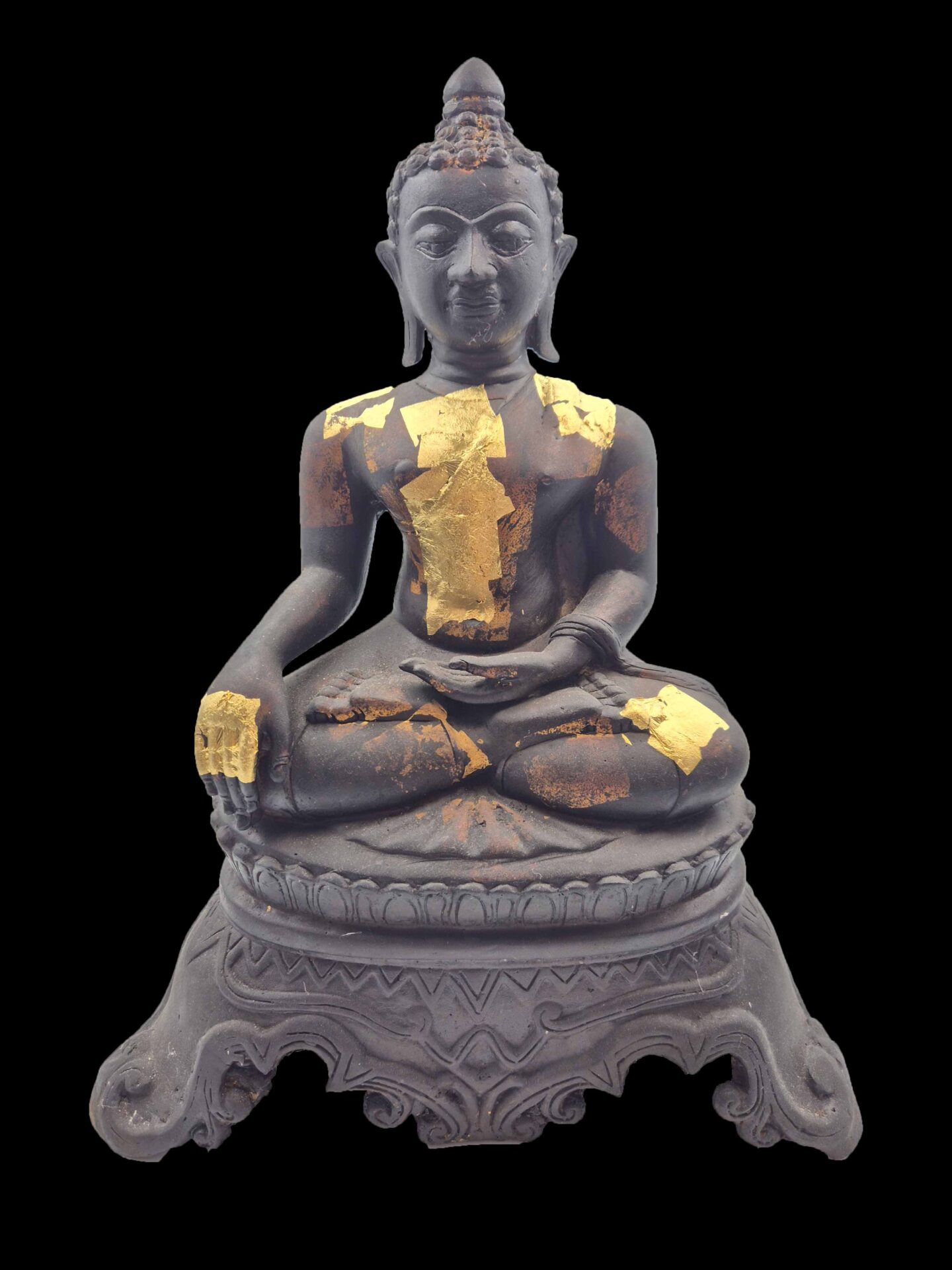
The Buddha refers to Siddhartha Gautama, the historical founder of Buddhism who attained enlightenment over 2,500 years ago. After achieving enlightenment, he dedicated his life to teaching the path toward wisdom, compassion, and liberation from suffering.
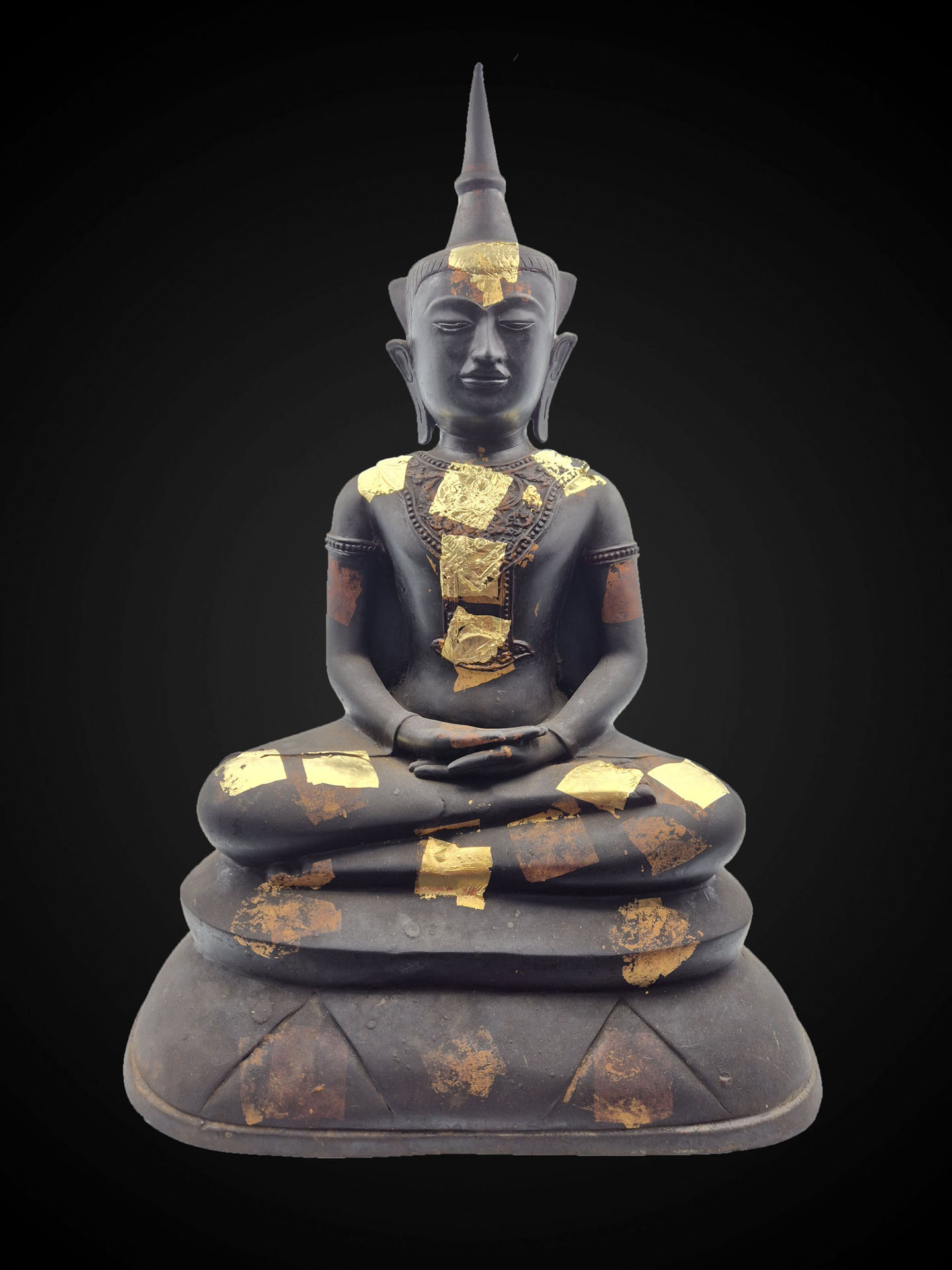
Buddha statues are among the most recognized and widely revered religious images in Buddhism. In Thailand, they form the foundation of Buddhist devotional art and are commonly found in temples, home altars, meditation spaces, and personal collections.
Common Characteristics of Buddha Statues
- Calm and serene facial expression
- Elongated earlobes symbolizing wisdom and renunciation
- Ushnisha, the cranial protuberance representing spiritual attainment
- Monastic robes
- Symbolic hand gestures known as mudras
Popular Buddha Forms in Thailand
Earth-Touching Buddha: Depicts the moment the Buddha called the Earth to witness his enlightenment.
Meditation Buddha: Shows the Buddha seated in deep meditation, symbolizing inner peace and concentration.
Walking Buddha: A distinctive Thai artistic form symbolizing grace, compassion, and active teaching.
Reclining Buddha: Represents the Buddha’s entry into Parinirvana.
Crowned Buddha: Also known as Jambupati Buddha, this form depicts the Buddha in royal attire.
Purpose of Buddha Statues
Buddha statues primarily serve as reminders of wisdom, compassion, mindfulness, spiritual development, and Buddhist teachings.
Arahant Statues
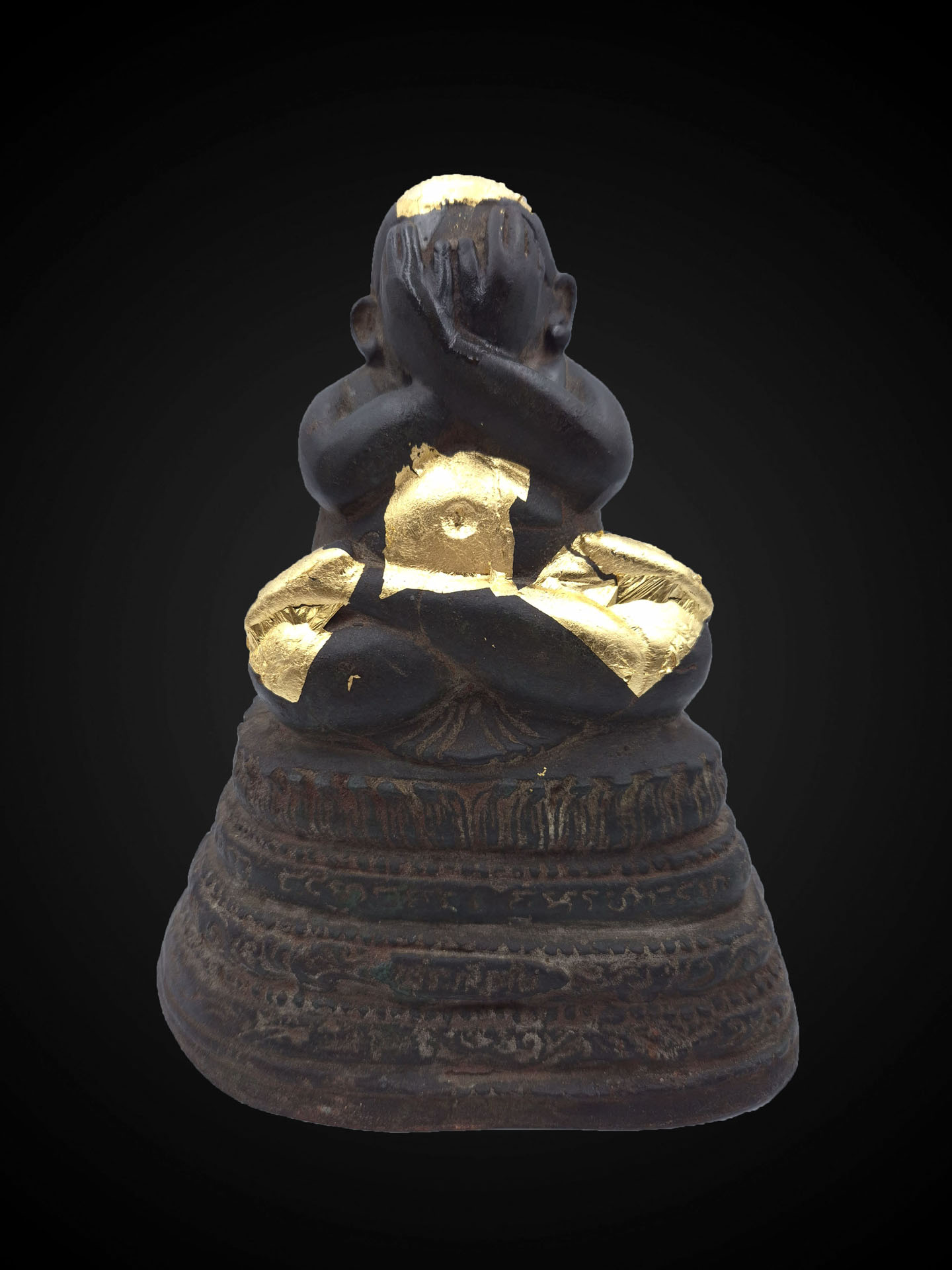
What is an Arahant?
An Arahant is an enlightened disciple who has successfully followed the Buddha’s teachings and attained liberation from suffering. In Theravada Buddhism, which is the dominant form of Buddhism in Thailand, Arahants are highly respected as examples of spiritual achievement.
While the Buddha discovered and taught the path to enlightenment, Arahants are those who followed that path to completion.
Common Arahant Figures
Phra Pidta: One of the most recognizable figures in Thai Buddhist art. Phra Pidta is traditionally depicted covering his eyes or face and is associated with restraint, meditation, and protection from distractions.
Phra Sangkachai: Often portrayed as a cheerful, smiling figure with a rounded appearance. He is commonly associated with wisdom, contentment, and abundance.
Ruesi: Hermit sages who are respected as ascetics and spiritual practitioners. They are often depicted with long beards, meditation staffs, or hermit attire.
Purpose of Arahant Statues
Arahant statues may be displayed as reminders of spiritual achievement, discipline, wisdom, meditation practice, and the possibility of enlightenment.
Monk Statues
Who Are Monk Statues?
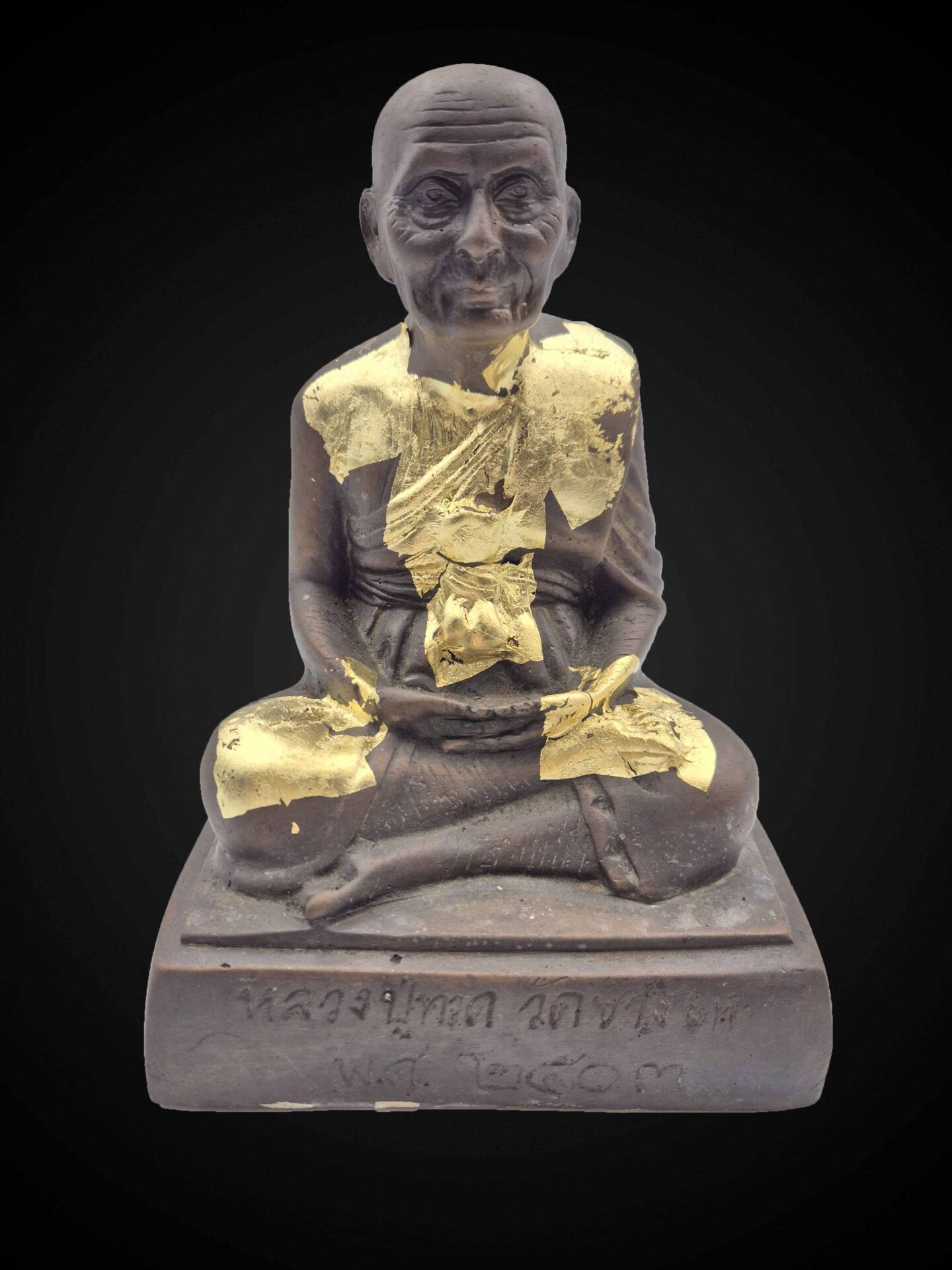
Monk statues represent respected Buddhist monks who lived during historical times and became known for their teachings, compassion, spiritual practice, or contributions to Buddhism. Unlike Buddha statues, monk statues usually represent real individuals who lived much more recently.
Popular Monk Statues
Somdet Phra Phutthachan Toh: One of Thailand’s most influential monks and closely associated with the famous Phra Somdej amulets.
Luang Phor Thuad: A highly revered monk, especially respected in Southern Thailand.
Luang Phor Koon: Remembered for his generosity, teachings, and charitable works.
Luang Phor Liew: Recognized for his teachings and association with turtle symbolism.
Common Characteristics of Monk Statues
- Traditional monk robes
- Realistic facial features
- Meditation or seated postures
- Distinctive personal features of the monk
Purpose of Monk Statues
Monk statues are often displayed to honour revered teachers, Buddhist lineage, spiritual guidance, personal inspiration, and respect for Buddhist practice.
Deity Statues
What Are Deity Statues?
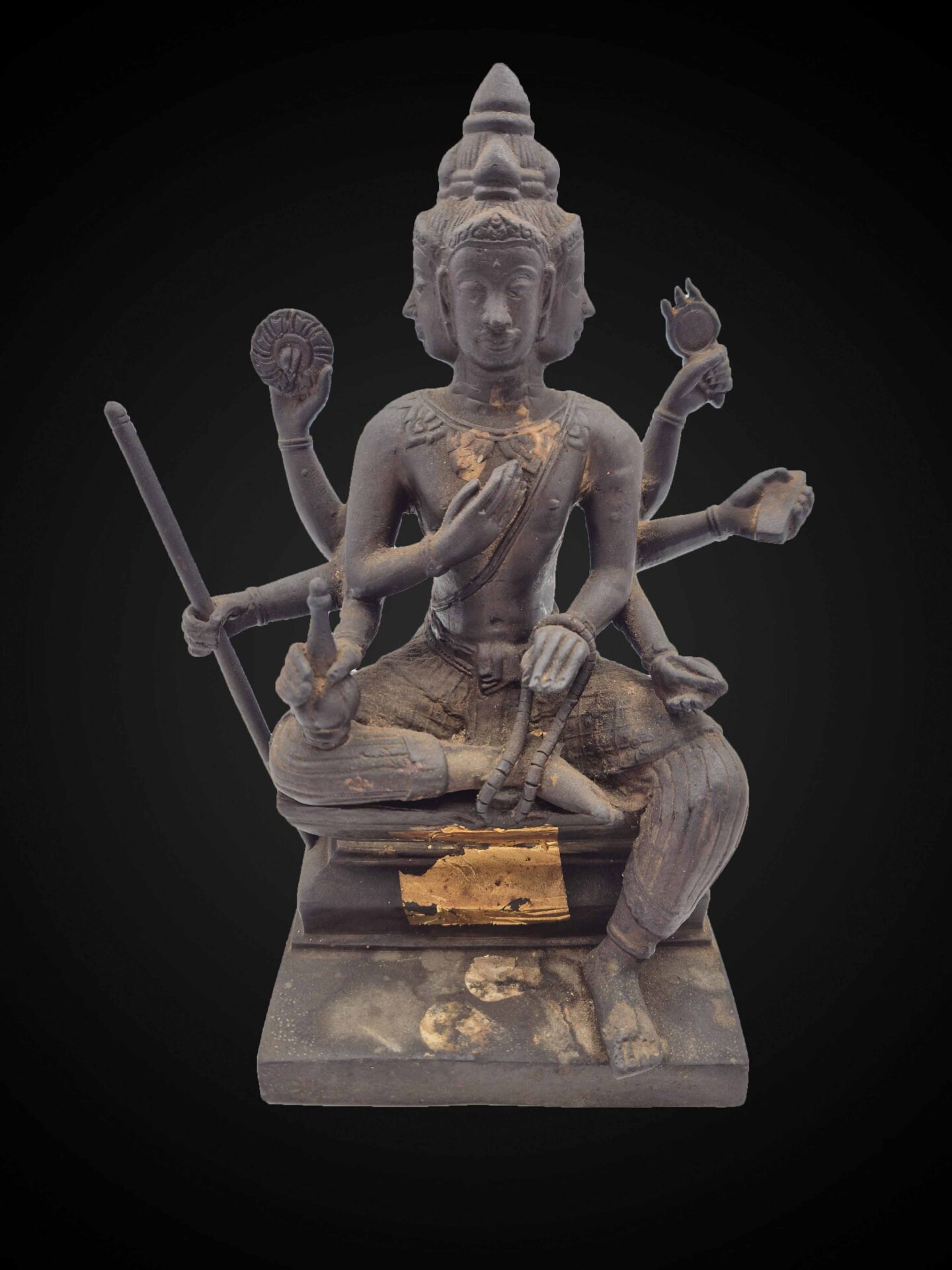
Deity statues represent divine beings from Hindu, Buddhist, and regional Southeast Asian traditions. Many deities became integrated into Thai culture over centuries and continue to be widely respected today.
Unlike Buddhas, Arahants, and monks, deities are generally regarded as celestial beings rather than human teachers.
Popular Deities in Thailand
Phra Phrom: The Thai form of Brahma, commonly depicted with four faces and associated with wisdom, blessings, and protection.
Tao Wessuwan: A powerful guardian figure associated with protection.
Ganesha: Widely respected as a remover of obstacles and patron of knowledge and the arts.
Vishnu: A major Hindu deity associated with preservation and cosmic order.
Shiva: A major Hindu deity associated with transformation and renewal.
Indra: King of the heavenly realm in many Buddhist and Hindu traditions.
Common Characteristics of Deity Statues
- Crowns and elaborate ornaments
- Multiple arms or faces
- Sacred weapons or symbolic objects
- Royal attire
- Powerful guardian-like appearance
Purpose of Deity Statues
Deity statues may be venerated as symbols of protection, wisdom, prosperity, courage, success, and spiritual guardianship.
Spirit Statues
What Are Spirit Statues?
Spirit statues represent beings rooted mainly in Thai folklore, local traditions, and regional spiritual beliefs. These figures differ from Buddhas, Arahants, monks, and deities because they are usually connected to folk tradition rather than formal Buddhist doctrine.
Thailand has a long history of local spiritual practices that coexist alongside Buddhism.
Common Spirit Figures
Kuman Thong: One of the most well-known spirit figures in Thai tradition, often depicted as a child.
Phra Ngan: A distinctive spirit figure commonly found in Thai folk traditions.
Guardian Spirits: Various local protective spirits appear throughout Thailand’s regional traditions.
Common Characteristics of Spirit Statues
- Child-like figures
- Human-like guardian forms
- Folk spirit appearances
- Regional protective entities
Purpose of Spirit Statues
Spirit statues may be associated with guardianship, protection, cultural traditions, local beliefs, and household shrines. Beliefs and practices surrounding spirit figures can vary significantly among individuals and communities.
Quick Comparison
| Category | Represents | Examples |
|---|---|---|
| Buddha | The historical Buddha | Shakyamuni Buddha |
| Arahant | Enlightened disciples and sages | Phra Pidta, Phra Sangkachai |
| Monk | Historical Buddhist monks | Somdet Toh, Luang Phor Thuad |
| Deity | Divine celestial beings | Phra Phrom, Tao Wessuwan |
| Spirit | Folk spiritual entities | Kuman Thong, Phra Ngan |
Which Type of Statue Should You Choose?
There is no single category that is better than another. Buddha statues are often chosen as reminders of Buddhist teachings and meditation. Arahant statues may appeal to those who admire enlightened disciples and spiritual attainment. Monk statues honour respected Buddhist teachers who have inspired generations of followers.
Deity statues represent powerful celestial beings associated with protection, wisdom, and prosperity, while spirit statues reflect Thailand’s rich cultural and folk traditions. Ultimately, the choice depends on personal preference, cultural background, spiritual interests, and the intended purpose of the display.
Conclusion
Thailand’s religious art reflects centuries of Buddhist teachings, revered monks, enlightened disciples, divine beings, and local spiritual traditions. While Buddha, Arahant, Monk, Deity, and Spirit statues may share certain visual similarities, each represents a distinct aspect of Thailand’s rich religious and cultural heritage.
By understanding the differences between these categories, collectors and practitioners can better appreciate the history, symbolism, and significance behind the many sacred figures found throughout Thai tradition. Browse our complete collection of Buddha Statues, Monk Statues, Arahant Statues, and Deity Statues.
Here are a few hand-picked articles for you to read next: