
Description
Phra Chinnarat – The Revered Buddha Image of Phitsanulok
Phra Chinnarat, also known as Phra Buddha Chinnarat or Phra Phuttha Chinnarat, is one of the most revered Buddha images in Thailand. Closely associated with Wat Phra Si Rattana Mahathat Woramahawihan in Phitsanulok Province, the image is widely admired for its elegant proportions, distinctive artistic features and important place within Thai Buddhist heritage.
The history of Phra Buddha Chinnarat dates to the Sukhothai period, with its creation traditionally attributed to the reign of King Maha Thammaracha I, commonly known as King Lithai, around B.E. 1900 (A.D. 1357). The image was created in connection with Wat Phra Si Rattana Mahathat, also known locally as Wat Yai, an important Buddhist temple situated along the Nan River in Phitsanulok.
According to traditional accounts, Phra Buddha Chinnarat was created alongside other important Buddha images, including Phra Buddha Chinnasi and Phra Si Satsada. The casting of Phra Chinnarat is surrounded by local legends describing the difficulties encountered by craftsmen before the image was successfully completed. These stories remain an important part of the temple’s cultural history.
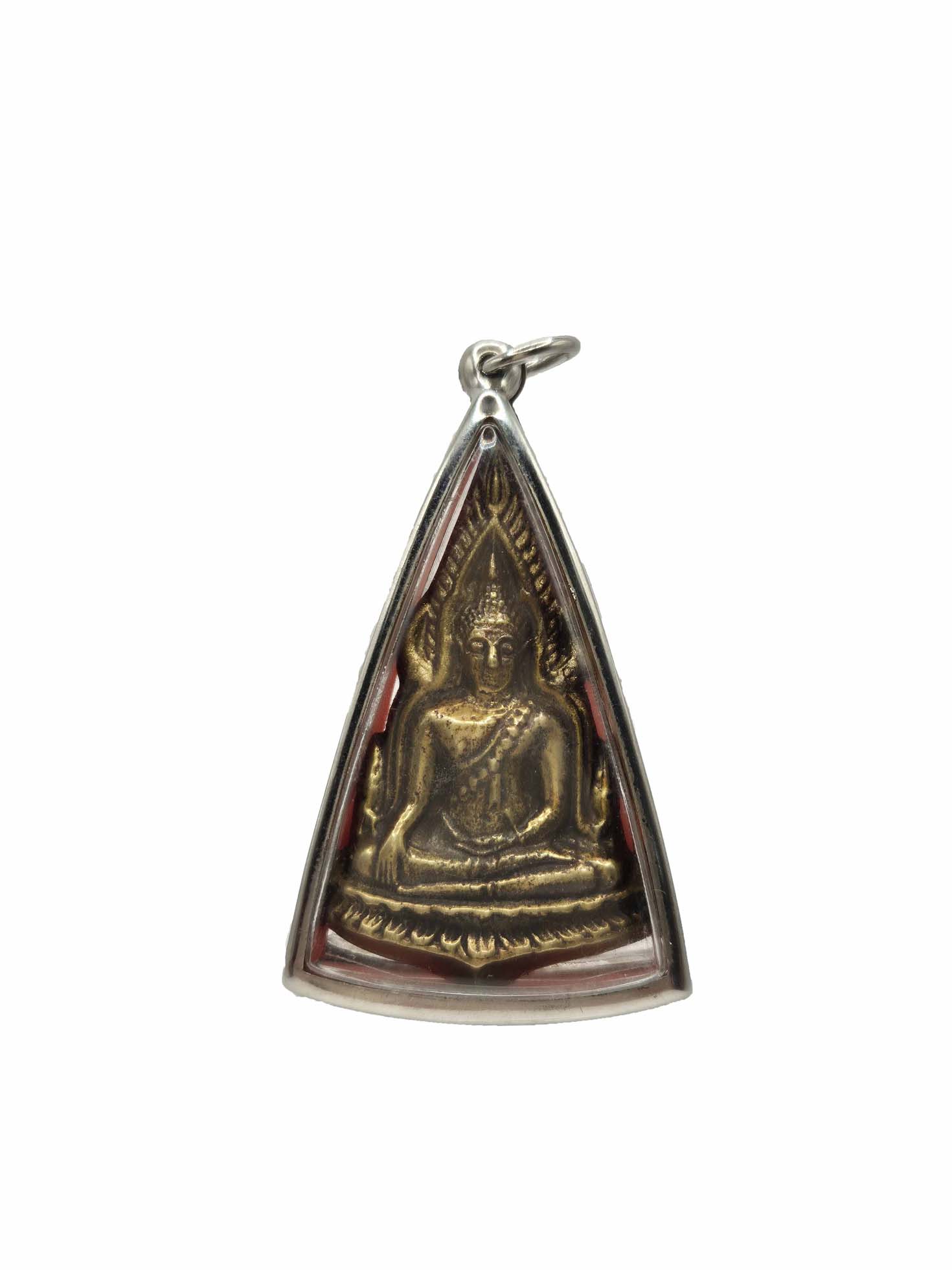
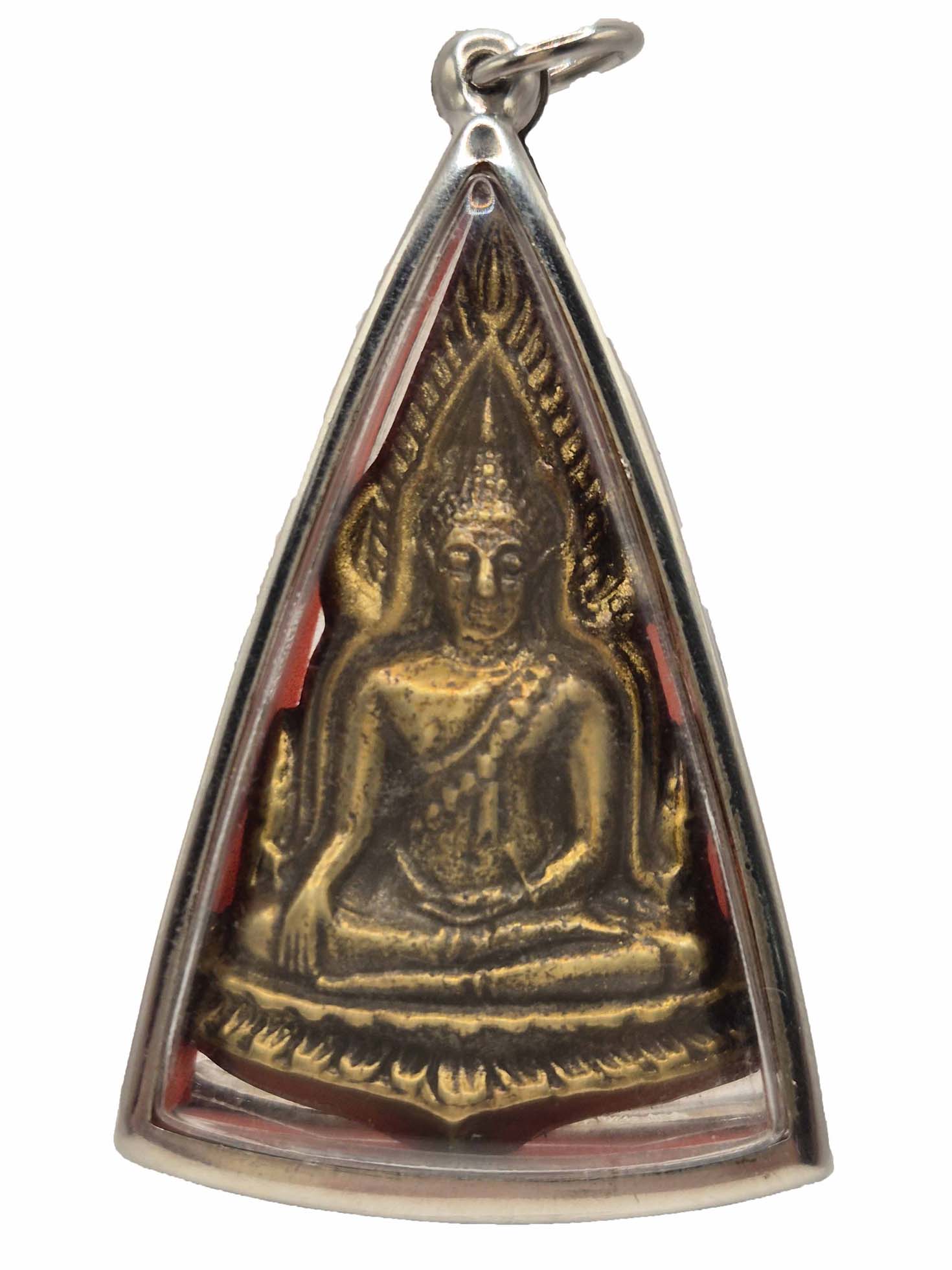
The original Phra Buddha Chinnarat is a gilded bronze image depicting the Buddha seated in the Mara Vijaya posture, with the right hand extended towards the earth and the left hand resting upon the lap. Its distinctive features include a flame-shaped finial, graceful facial proportions and an elaborate ornamental arch known as the Ruean Kaew. The surrounding decorative elements contribute to its recognisable appearance and reflect the craftsmanship of Thai Buddhist art.
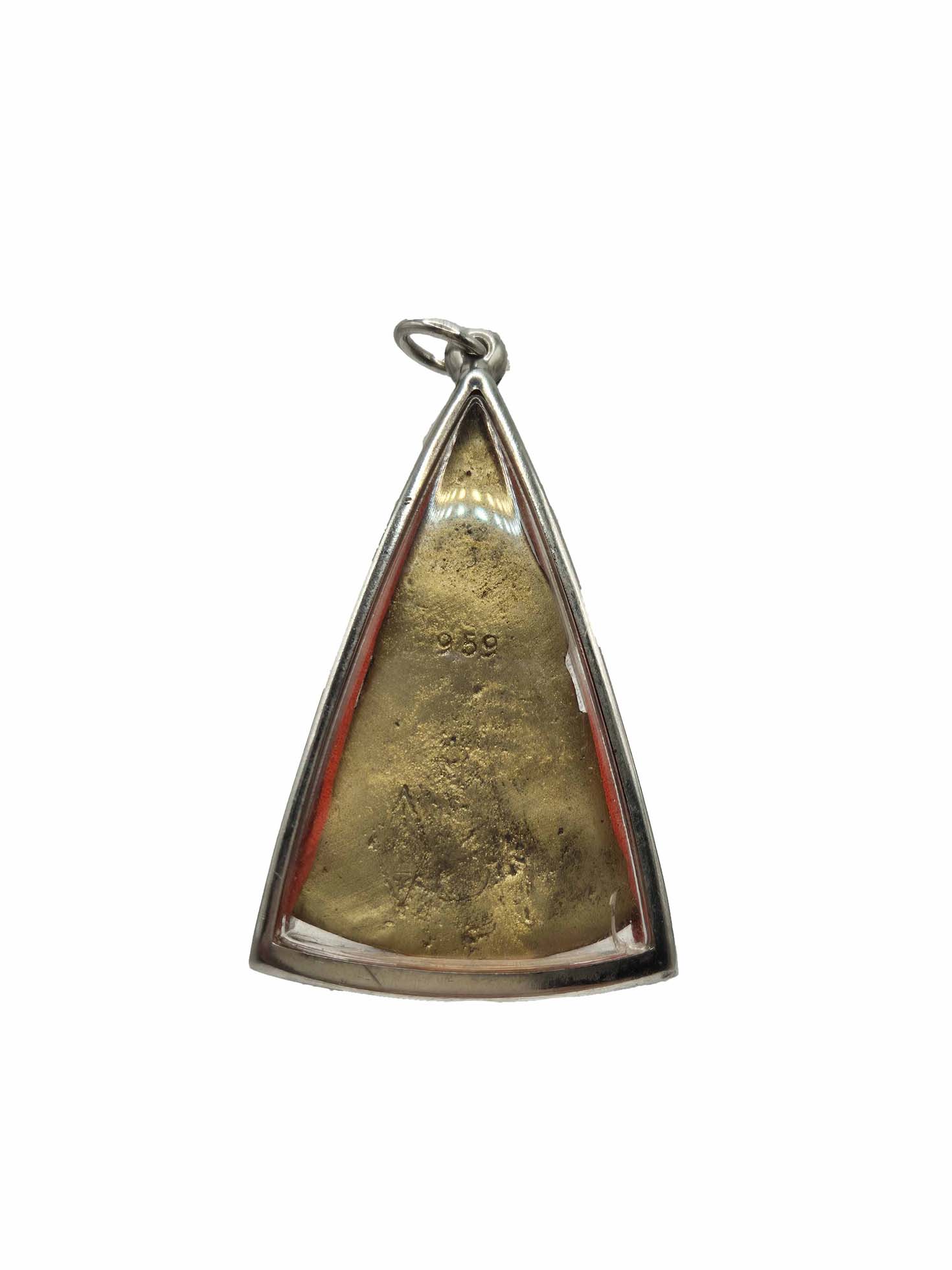
Over the centuries, Phra Buddha Chinnarat has inspired numerous amulet designs produced by different temples and creators throughout Thailand. These include cast-metal representations, traditional medallions, pressed-powder pieces and various commemorative editions. Individual amulets vary in materials, inscriptions, mould details and decorative features according to their production periods.
Among the most recognised historical amulet editions is the Phra Buddha Chinnarat Indochina series of B.E. 2485 (A.D. 1942), associated with Wat Suthat Thepwararam in Bangkok. This edition remains an important reference among collectors, alongside numerous other traditional and later Phra Chinnarat designs.
Today, Phra Chinnarat amulets remain highly regarded among Buddhist devotees and collectors for their religious significance, historical associations and distinctive Thai craftsmanship.


