
Description
Phra Sivali – The Revered Arahant of Thai Buddhist Tradition
Phra Sivali (พระสีวลี), also known as Sivali Thera, is one of the most respected disciples of the historical Buddha. Recognised for his dedication to Buddhist teachings and his distinguished association with receiving offerings, Phra Sivali holds an important place within Theravada Buddhist traditions and Thai amulet collecting.
According to traditional Buddhist accounts, Phra Sivali was born to Suppavasa, a noblewoman of the Koliya clan. Buddhist commentaries describe an extraordinary pregnancy lasting seven years, followed by seven days of difficult labour. The story recounts how Suppavasa sought the Buddha’s guidance before safely giving birth to Sivali. This narrative remains an important part of the traditional literature surrounding his life.
Phra Sivali later entered the Buddhist monastic community under the guidance of Venerable Sariputta, one of the Buddha’s foremost disciples. Through his religious practice and understanding of the Dhamma, he attained arahantship, representing liberation from suffering and the completion of the Buddhist spiritual path.
Within Buddhist tradition, Phra Sivali is particularly remembered as foremost among the Buddha’s monastic disciples in receiving offerings and the necessities of religious life. Accounts describe how food, robes and other essential provisions were readily available to him during his travels. His reputation became closely associated with generosity, merit-making and the support of the Buddhist monastic community.
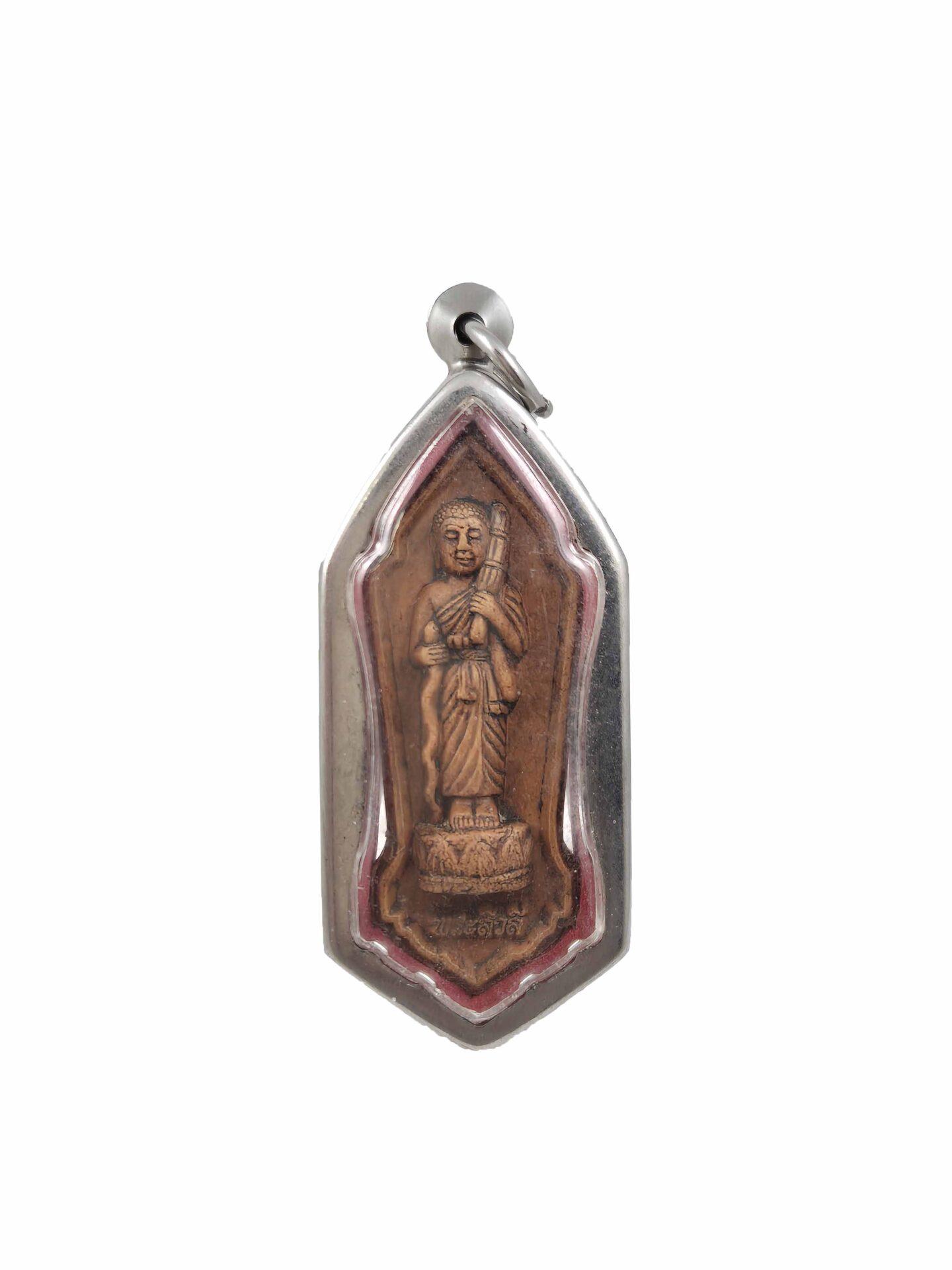
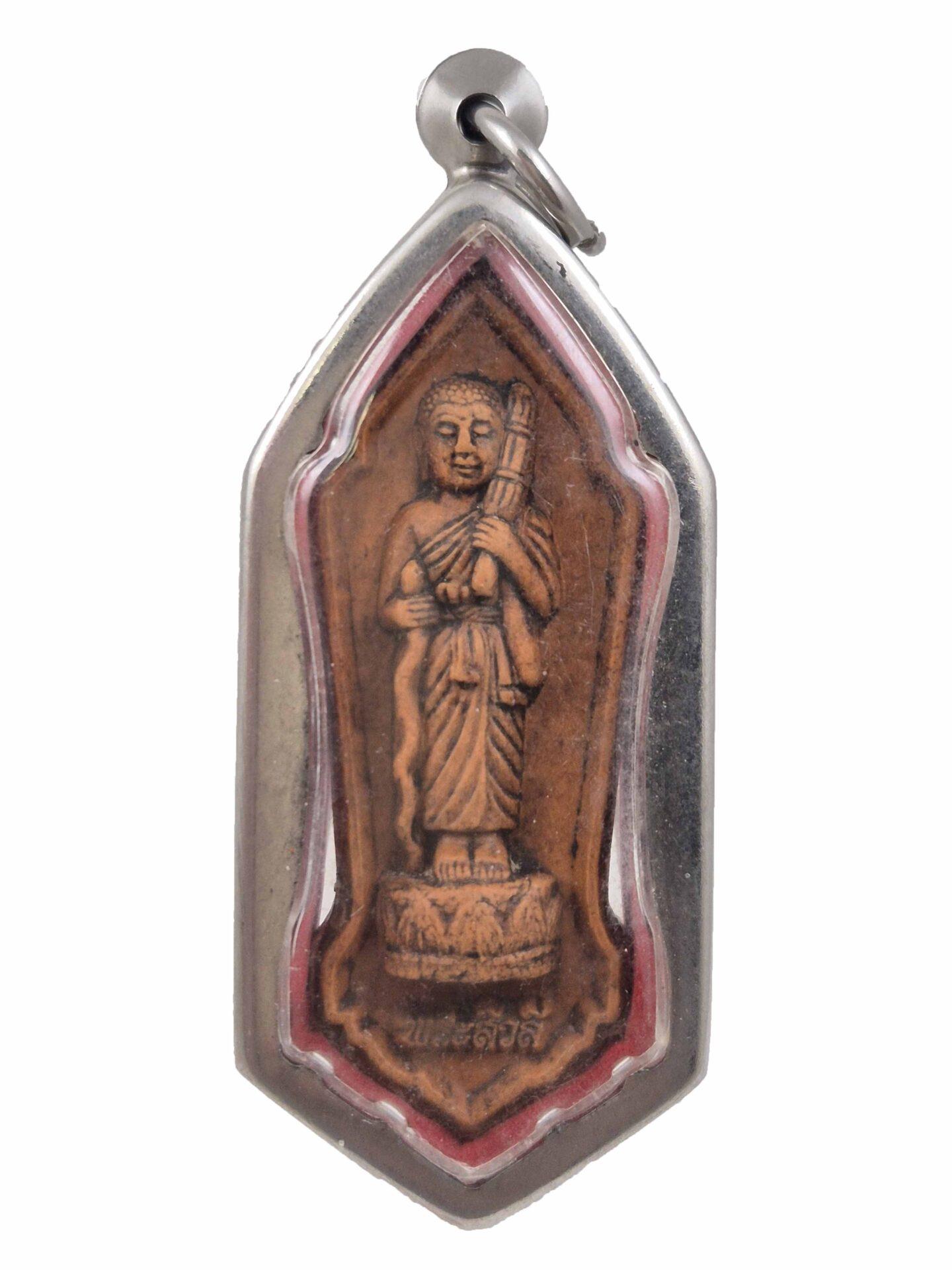
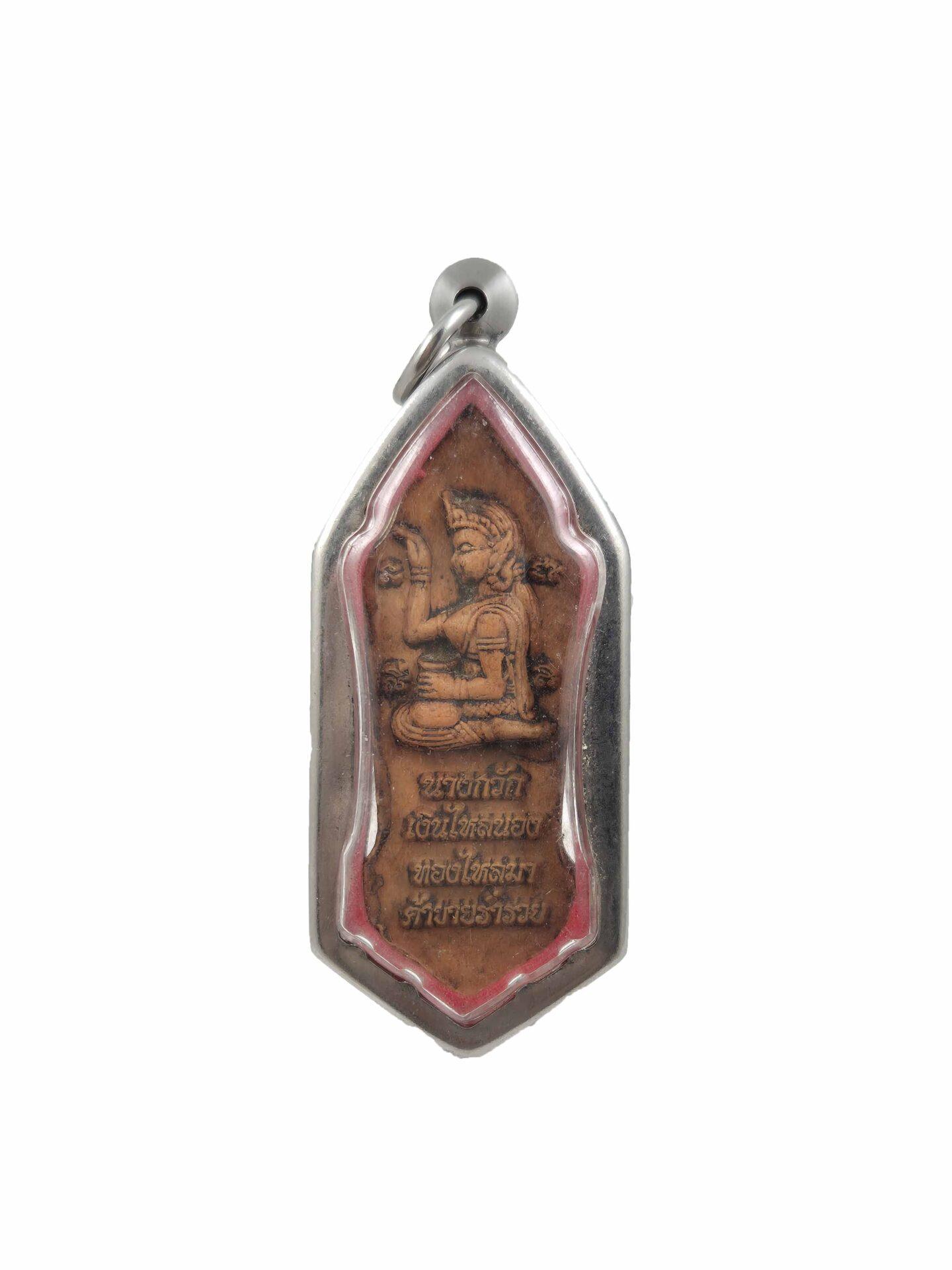
Phra Sivali is commonly depicted as a wandering monk wearing traditional monastic robes and carrying an alms bowl, walking staff and ceremonial umbrella. These distinctive accessories reflect the simple lifestyle of travelling Buddhist monks. Other representations feature Phra Sivali standing or seated, with variations in posture and decorative details.
Phra Sivali amulets have been produced by numerous Thai temples and creators using materials such as pressed powders, fired clay and cast-metal alloys. Individual editions feature variations in the monk’s appearance, traditional accessories, inscriptions and mould characteristics, reflecting different artistic traditions and production periods.
Today, Phra Sivali amulets remain valued by Buddhist devotees and collectors for their religious significance, traditional symbolism and distinctive Thai craftsmanship.


