
Phra Ngan Statues
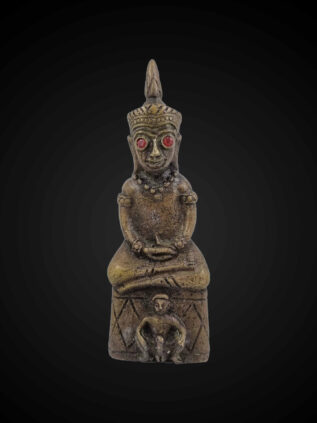
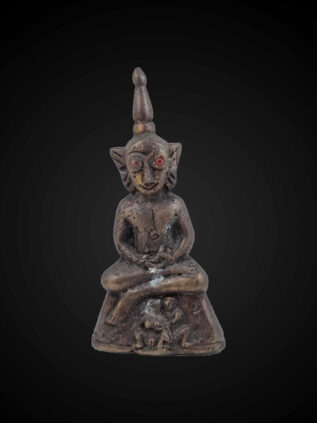
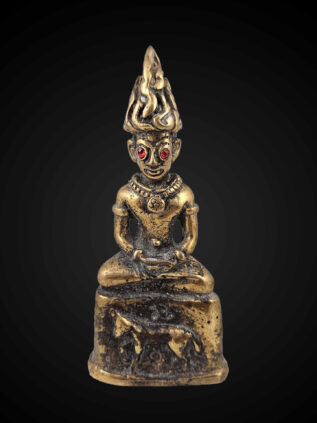
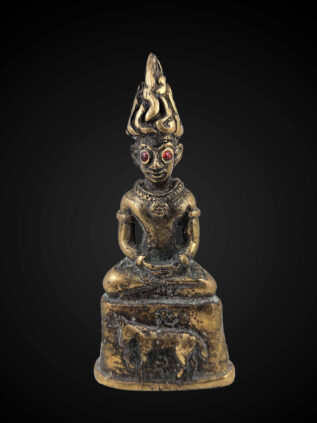
Phra Ngan statues are distinctive devotional figures found within Southeast Asian spiritual folklore, particularly in Thailand and Cambodia. Unlike classical seated Buddha statues, Phra Ngan figures are typically portrayed in a standing frontal posture, creating a recognisable and direct visual presence. Their form reflects regional traditions that blend elements of Buddhist influence with longstanding local belief systems.
In both Thai and Cambodian contexts, Phra Ngan figures have appeared in temple environments, regional shrines, and private devotional spaces. Interpretations may vary by region, period, and craftsmanship. Some statues display simplified traditional casting methods, while others exhibit more refined detailing influenced by evolving artistic practices across Southeast Asia. Material composition, surface patina, and sculptural style often provide clues to regional origin and period characteristics.
Phra Ngan statues differ stylistically from classical Buddha representations. Their upright stance and distinct proportions reflect a unique artistic lineage within Southeast Asian sacred art. Over time, these figures have come to represent aspects of folklore, vitality, and protective symbolism within certain traditions, while remaining culturally rooted in regional devotional practices.
Collectors and enthusiasts often value Phra Ngan statues for their historical and cultural character rather than purely decorative appeal. Each piece represents a convergence of craftsmanship and local spiritual interpretation shaped by its geographic origin.
Our collection of Phra Ngan statues includes examples influenced by Thai and Cambodian traditions, selected with attention to regional authenticity and respectful presentation. Each listing provides detailed information regarding dimensions, material, and stylistic background to assist collectors and devotees in understanding the context of the piece.
As part of Southeast Asian devotional art, Phra Ngan statues offer a distinctive perspective on regional spiritual heritage beyond conventional Buddha imagery.
Showing all 12 resultsSorted by latest
-
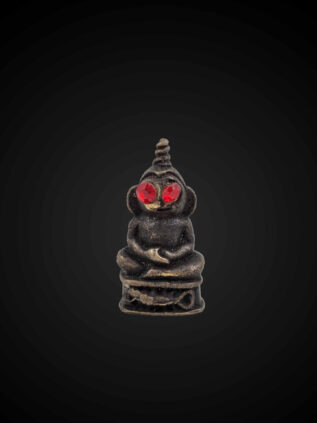
Phra Ngan Statue
$118 Add to cart -
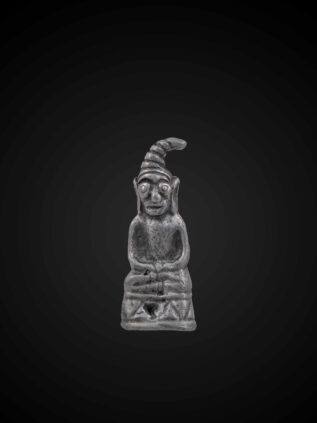
Phra Ngan Statue
$118 Add to cart -
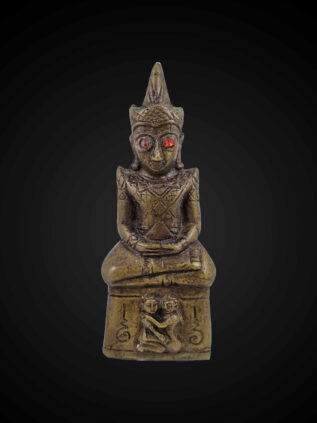
Phra Ngan Statue
$474 Add to cart -
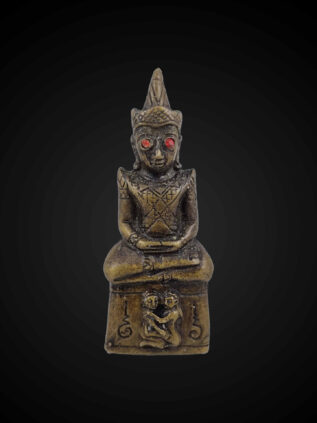
Phra Ngan Statue
$474 Add to cart -
Phra Ngan Statue
$474 Add to cart -
Phra Ngan Statue
$474 Add to cart -
Phra Ngan Statue
$474 Add to cart -
Phra Ngan Statue
$474 Add to cart -
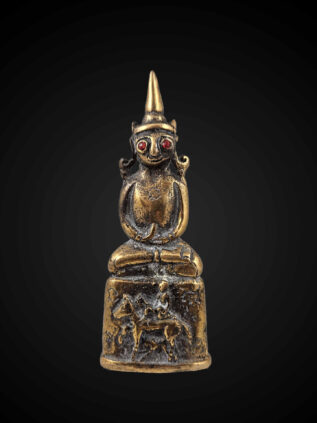
Phra Ngan Statue
$474 Add to cart -
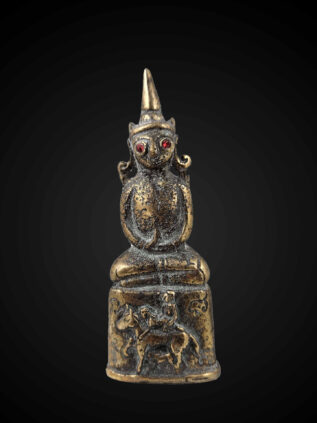
Phra Ngan Statue
$474 Add to cart -
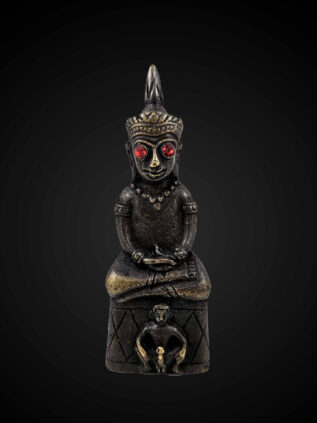
Phra Ngan Statue
$474 Add to cart -
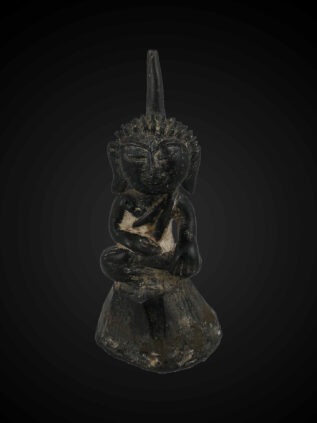
Phra Ngan Statue
$2,371 Add to cart


Showing all 12 resultsSorted by latest