One of the most common beliefs among collectors and beginners alike is this:
“Old Thai amulets are always more powerful than new ones.”
You’ll hear this idea repeated in markets, forums, and social media. Older equals rarer. Rarer equals more expensive. And more expensive must mean stronger… right?
The truth is more nuanced.
Old Thai amulets remain deeply respected for their historical, spiritual, and cultural significance. This article does not question their value. Instead, it addresses a common misconception — that age alone automatically determines power or effectiveness.
Age by itself does not determine the spiritual value or suitability of a Thai amulet. In fact, in some cases, newer amulets may be more appropriate depending on the wearer’s needs and circumstances.
This article focuses on clarifying the real differences between old and new Thai amulets, rather than acting as a general buying guide.
What People Mean by “Old” and “New” Thai Amulets
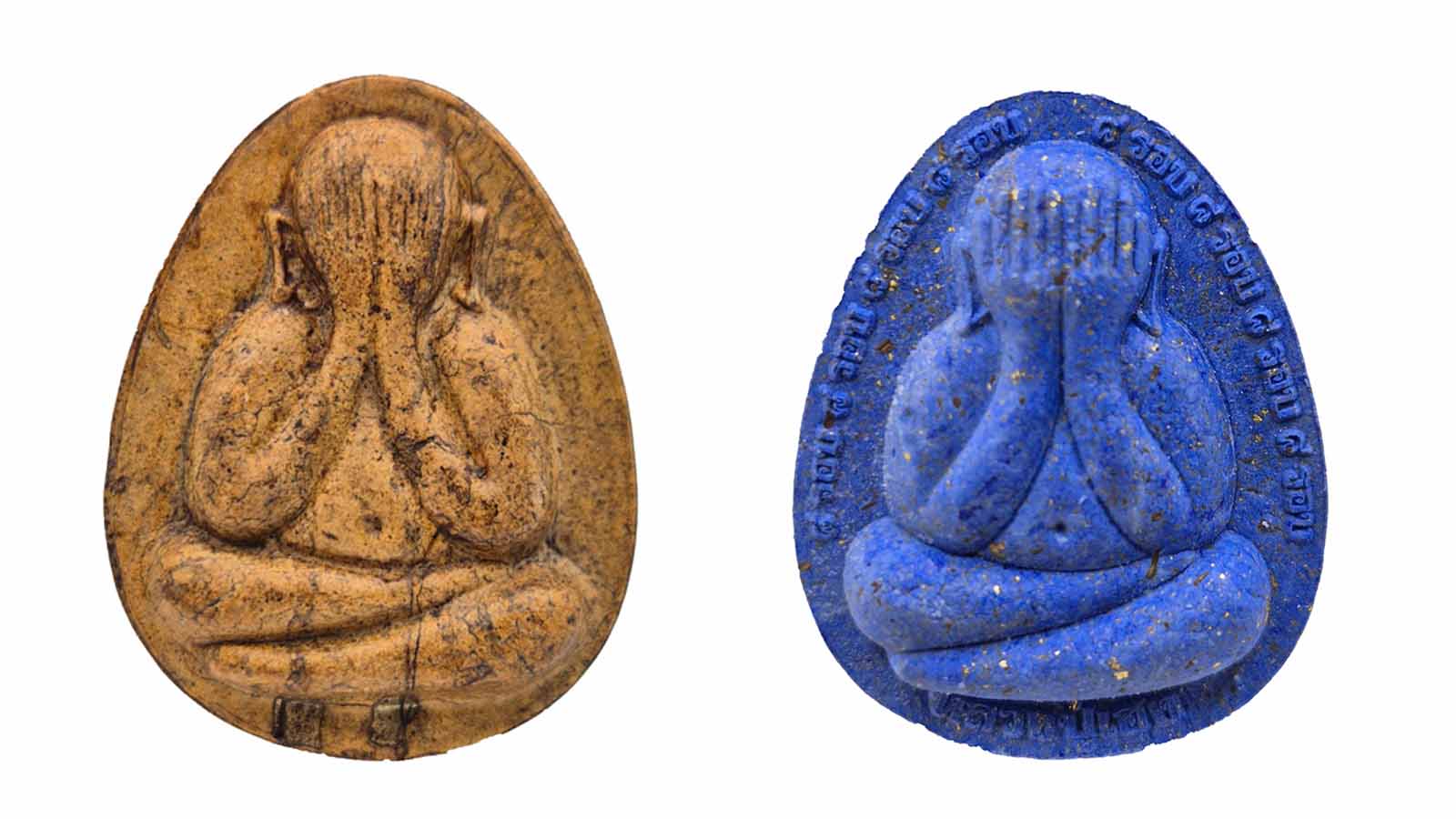
Two examples of the same Phra Pidta Jumbo 1 mold from different periods. Older amulets often show muted tones and surface wear from time, while newer examples may retain more vibrant coloration.
Before comparing, it’s important to define these terms clearly.
Old amulets usually refer to pieces created decades or centuries ago, often from discontinued molds, old temple grounds, or specific historical periods.
New amulets are modern-era creations, typically produced in recent years by living monks or temples.
“Old” does not automatically mean ancient, and “new” does not automatically mean mass-produced or commercial.
Why Old Thai Amulets Are So Highly Valued
Old amulets are prized for several legitimate and enduring reasons.
Historical and cultural significance Many old amulets were created during periods of war, hardship, or deep religious devotion. They serve as physical links to Thailand’s spiritual and historical past.
Scarcity Old molds break, materials are lost, and temples change. Once an era passes, those exact amulets can never be reproduced.
Long-term devotional use Some believe that decades of prayers, chanting, and faithful ownership gradually “accumulate” spiritual energy over time.
Collector confidence Because many old amulets have been studied extensively, experienced collectors often feel more confident identifying genuine examples.
These factors explain why old amulets command higher prices and enduring respect — though price and power are not always the same thing.
The Common Myth: Older Automatically Means More Powerful
This is where misunderstanding often begins.
An amulet’s effectiveness does not automatically increase simply because more time has passed. There is no universal spiritual “battery” that charges itself with age.
Traditionally, the power of a Thai amulet is believed to come from:
The intention and practice of the monk
The consecration process
The faith, conduct, and mindset of the wearer
Age alone does not replace these factors.
Why New Thai Amulets Can Also Be Meaningful
New amulets are sometimes underestimated, especially by beginners who assume “new” automatically means inferior. This assumption is not always accurate.
Living monks and direct intent New amulets are blessed by monks who are actively meditating, teaching, and guiding devotees today. Their intention is direct, deliberate, and present.
Clear lineage and purpose Many modern amulets are created with a specific purpose, such as protection, metta, or mindfulness, which can provide clarity for newcomers.
Proper ritual context A well-documented consecration ceremony with sincere participation can be more meaningful than an amulet with an unclear or unknown history.
Accessibility and peace of mind New amulets are generally easier to authenticate and more affordable, allowing wearers to focus on faith rather than fear of damage or loss.
For many collectors, however, these practical advantages do not replace the depth, continuity, and historical presence represented by old amulets.
When Old Amulets May Be More Suitable
Old amulets may be more appropriate if you:
Are drawn to collecting or understanding older amulets
Value continuity and tradition across generations
Feel a connection to objects shaped by time and long-term use
Seek a link to past generations of faith and practice
For many collectors, old amulets hold meaning beyond belief alone.
When New Amulets May Be More Suitable
New amulets may be a better choice if you:
Are new to Thai amulets
Want something for daily wear
Prefer a connection to a living monk
Feel more comfortable with an amulet whose origin and purpose are clear
For many people, a new amulet becomes meaningful through personal faith and consistent practice, rather than age.
The Role of the Wearer: The Most Overlooked Factor
Traditional belief emphasizes one crucial truth:
An amulet does not replace one’s actions, intentions, or conduct.
A respectful, mindful wearer with a simple amulet may gain more benefit than someone who owns a rare, expensive piece but treats it as a status symbol.
Old or new, an amulet is traditionally seen as:
A reminder of mindfulness
A focus for intention
A symbol of protection through faith
So, Are Old Thai Amulets Always Better?
No.
Old amulets are not automatically better, and new amulets are not automatically weaker.
The more suitable amulet is the one that:
Aligns with your beliefs
Is understood and respected
Encourages ethical conduct
Fits your daily life
Age adds history, not guaranteed power.
How to Think About Choosing Wisely
Rather than asking which is better, consider asking:
Am I seeking history or guidance?
Do I value lineage or accessibility?
Will I wear this daily or store it?
Do I feel a personal connection to it?
There is no single correct answer — only the one that suits you.
Final Thought
Thai amulets are not about chasing the oldest object or the highest price. They are about meaning, intention, and respect.
When these are present, both old and new amulets can serve their purpose in meaningful ways.
Here are a few hand-picked articles for you to read next: